Security | Threat Detection | Cyberattacks | DevSecOps | Compliance


Network Security for D2iQ Konvoy
Approaching Kubernetes Security - Detecting Kubernetes Scan with Splunk
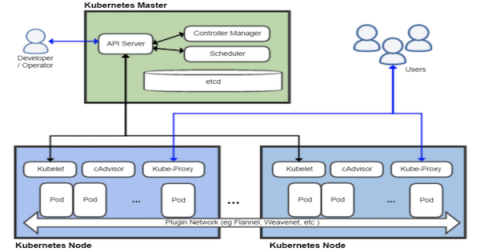
The Kubernetes framework has become the leading orchestration platform. Originally developed by Google, Kubernetes is a "platform for automating deployment, scaling, and operations of application containers across clusters of hosts" * . The kubernetes platform is used in all Cloud platform provider vendors as a tool that allows orchestration, automation and provision of applications and specific needs computing clusters and services.
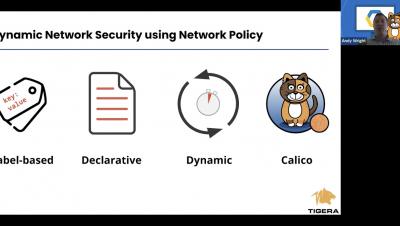
How to Implement Network Policy in Google GKE to Secure Your Cluster
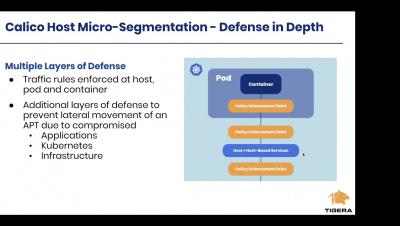
Getting up and running with Calico Host Micro segmentation Protection on AWS
Calico Enterprise 3.0 - Global Network Security Center for Kubernetes
As our enterprise customers build out large, multi-cluster Kubernetes environments, they are encountering an entirely new set of security challenges, requiring solutions that operate at scale and can be deployed both on-premises and across multiple clouds.
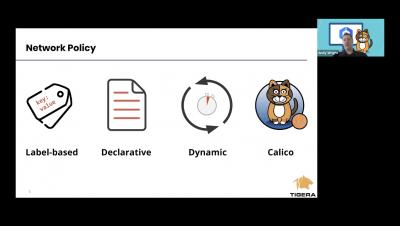
How to Implement Network Policy in Amazon EKS to Secure Your Cluster
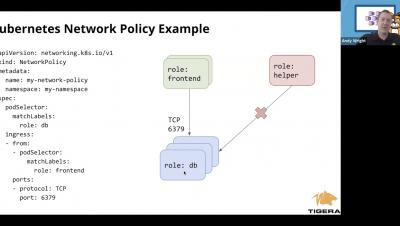
How to Implement Network Policy in Azure AKS to Secure Your Cluster
Secure DevOps at the Edge with Sysdig and IBM
Innovative companies are looking to take advantage of cloud-native technologies beyond the data center to deliver faster innovation and competitive advantage at the edge. Recognizing the need for a common approach to create, deploy, run, secure, monitor, maintain and scale business logic and analytics applications wherever your business takes you, IBM today announced its edge computing offerings, including the IBM Edge Application Manager.