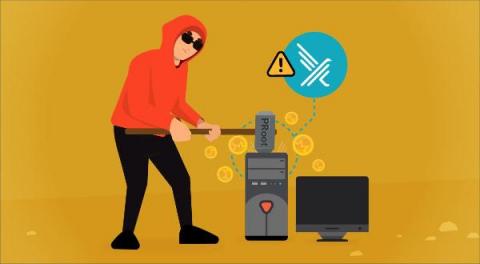
Supply Chain attacks are not new, but this past year they received much more attention due to high profile vulnerabilities in popular dependencies. Generally, the focus has been on the dependency attack vector. This is when source code of a dependency or product is modified by a malicious actor in order to compromise anyone who uses it in their own software.
Cloud Security Posture Management (CSPM) aims to automate the identification and remediation of risks across your entire cloud infrastructure. A core requirement of the CSPM framework is the need to enforce a principle of least privilege. There are certain overlaps with Cloud Infrastructure Entitlement Management (CIEM) solutions. CIEM is a newer categorization that came after CSPM.
Today, web and mobile applications and API-based microservice endpoints are becoming the default. These applications are reachable through the HTTP web protocol. The encryption provided by a Secured Socket Layer or Transport Layer Security (SSL/TLS) is a must to secure the communication between client and server and across API back-ends. SSL/TLS are certificate-based encryption mechanisms. SSL has been the standard for over 20 years.
Modern containerized applications are increasingly born in the cloud and the big three managed Kubernetes services – Azure Kubernetes Service (AKS), Amazon Elastic Kubernetes Service (EKS), and Google Kubernetes Engine (GKE) – rule the skies. With more users picking managed services in public cloud as their preferred platform, self-managing a backup infrastructure in the cloud is an antithesis.
Kubernetes uses secret objects, called Secrets, to store OAuth tokens, secure shell (SSH) keys, passwords, and other secret data. Kubernetes Secrets allow us to keep confidential data separate from our application code by creating it separately from pods. This segregation, along with well-formed role-based access control (RBAC) configuration, reduces the chances of the Secret being exposed — and potentially exploited — when interacting with pods, thereby increasing security.