Security | Threat Detection | Cyberattacks | DevSecOps | Compliance

Share Datadog dashboards securely with anyone outside of your organization

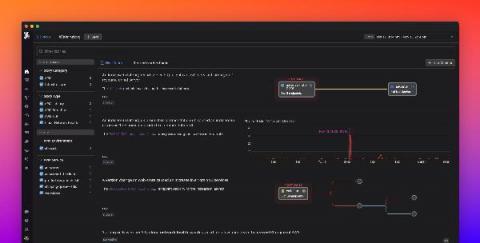
Datadog dashboards provide a unified view of your application, infrastructure, and business data, giving stakeholders the context they need to make decisions. Sharing dashboards publicly is useful when you want to make them easily accessible to a large audience. But oftentimes, your dashboards include sensitive information, which is why you need finer-grained controls over the data you share—and who you share it with.

Collect and monitor Microsoft 365 audit logs with Datadog

Microsoft 365 is a suite of cloud-based productivity and communication services that includes Microsoft Office applications (including OneNote and OneDrive) as well as other popular Microsoft tools like Skype and Teams. Microsoft 365 tools and services are at the core of many organizations’ data management and day-to-day workflows, so monitoring activity across your environment is key to making sure that these services remain secure and meet compliance standards.

Smoothing the Bumps of Onboarding Threat Indicators into Splunk Enterprise Security

This blog is part two of Splunk's Sunburst Backdoor response aimed at providing additional guidance to our customers (you can read part one, "Using Splunk to Detect Sunburst Backdoor," by Ryan Kovar). In this blog, we’ll cover how to ingest threat indicators to combat Sunburst Backdoor in Splunk Enterprise Security (ES).

Integrate Datadog Compliance Monitoring with your AWS Well-Architected workloads

Many of our customers rely on the Amazon Web Services (AWS) Well-Architected Framework as a guide to build safe, secure, and performant applications in the cloud. AWS offers the Well-Architected Review (WAR) Tool as a centralized way to track and trend adherence to Well-Architected best practices. It allows users to define workloads and answer a set of questions regarding operational excellence, security, reliability, performance efficiency, and cost optimization.

How to Enable Detection Rules via Elastic Security - Version 7.10

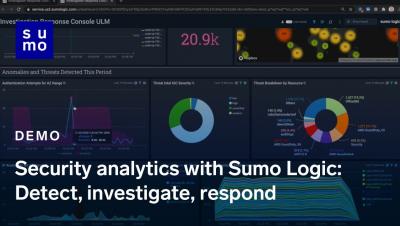
The detection engine brings automated threat detection to the Elastic Stack through the Security app in Kibana. As part of our belief in the power of open-source, Elastic Security has open sourced all our detection rules to work alongside the security community to stop threats at scale and arm every analyst. In this video, you’ll learn more about the detection engine and how to automate the protection of your data.

Maximize Card Profitability and Sleigh Payment Fraud Attacks with Transaction Intelligence

It’s a busy season for card issuers, card networks and payment service providers. Transaction and purchase volumes are rising across mobile and online channels — with Black Friday and Cyber Monday e-commerce sales up 15% from last year. Despite this holiday season’s resilient e-commerce sales, organizations must continue to find ways to maximize transactions and card profitability in the face of reduced in-store purchase volumes, interest margins, fees and interchange revenues.

SUNBURST Backdoor: What to look for in your logs now - Interview with an incident responder

Yesterday, FireEye published a report about a global intrusion campaign that utilized a backdoor planted in SolarWinds Orion. Attackers gained access to the download servers of Orion. They managed to infect signed installers downloaded by Orion users who had all reason to believe that the packages are safe and had not been tampered with. With this information out in the world, teams are scrambling to investigate if their environments are affected by this breach.

Accelerate security investigations with Datadog Threat Intelligence

Attackers (i.e., threat actors) often reuse techniques or resources, such as IP addresses, hashes, and domains, in multiple attempts to find and exploit vulnerabilities in your systems. Defenders can categorize this data as indicators of compromise (IOCs) and create collections of IOCs in order to look out for potential attacks. These IOC collections are known as threat intelligence.

Automate vulnerability analysis with the Datadog GitHub Action

To enhance and automate your vulnerability analysis, we’re excited to launch the Datadog Vulnerability Analysis GitHub Action. The action enables easy integration between your application, Datadog Continuous Profiler, and Snyk’s vulnerability database to provide actionable security heuristics. The action can be installed directly from the GitHub Marketplace, and does not require you to manage any additional scripts or infrastructure.