Fraud is something that occurs every day across a variety of industries, causing trillions in losses each year. Hardest hit are the financial services and banking industries. In a recent article, Welp Magazine shared its top 13 picks for the best fraud detection startups. INETCO was extremely happy to be featured as a part of this list – selected for its innovative product and exceptional growth strategy.
In today’s complex network infrastructure comprised of diverse resources, devices, and users, port scans represent a significant amount of network traffic. Crackers and hackers alike use port scanners to discover port vulnerabilities that can become attack vectors to malicious outcomes. In this post, we discuss the fundamentals of port scanning, and why you need to deploy an effective port scanner software on your network right now.
Network security management typically entails end-to-end management of the entire network security infrastructure of an enterprise. However, in this rapidly changing security ecosystem, there’s an inherent need for IT admins to be extremely agile to maintain an effective security posture.
Halloween is tomorrow, and do you know what that means? For starters, it means you can dance under the rare blue moon. A full moon visible for all time zones on Earth hasn’t happened since 1944, and won’t happen again until 2039. It also means you can don a costume and be anything you like. Kind of like a fraudster, that assumes a new persona every time there is a payment fraud attack.
Most of us can think of a time when we received a phishing email. In fact, most phishing emails are easy to identify, and automatically go to spam. However, in this ongoing pandemic, hackers are adopting advanced tactics that cleverly conceal their malicious intentions, and fly under the radar by leveraging the victim’s fear, anxiety, or plain negligence.
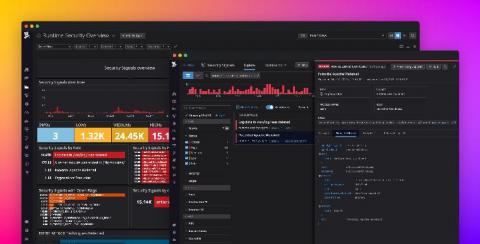
Using open source code makes it easier to build applications, but the freely available nature of open source code introduces the risk of pulling potential security vulnerabilities into your environment. Knowing whether or not customers are actually accessing the vulnerable parts of your application is key to triaging security threats without spending hours fixing an issue that doesn’t affect end users.