Security | Threat Detection | Cyberattacks | DevSecOps | Compliance

Card Not Present Fraud - Protecting your rails to avoid the payment fraud train wreck

When it comes to card-not-present transactions, security is constantly a moving target. Between February and April, the peak period when COVID-19 was spreading across much of the US, cyber-attacks against the financial sector were reported to have risen by 238%. The exponential growth of digital payment transactions, combined with the increasing variety of customer-facing devices and payment applications, has many financial institutions re-evaluating their approaches to cybersecurity.

Enabling DevSecOps with the Elastic Stack

Software development and delivery is an ever-changing landscape. Writing software was once an art form all its own, where you could write and deploy machine code with singleness of purpose and no concern for things like connecting to other computers. But as the world and the variety of systems that software supports became more complex, so did the ecosystem supporting software development.

Leverage advanced analytics to secure your endpoint devices

With the new normal adding several more challenges and variables to the security layer, how do you ensure your data is safeguarded without increasing the workload or the headcount of your security team? Using advanced analytics, in tandem with endpoint monitoring applications such as ManageEngine’s Mobile Device Manager Plus and Desktop Central, will help you better visualize and analyze your endpoint data, identify patterns, and establish correlations.

Approaching Azure Kubernetes Security

The Splunk Security Research Team has been working on Kubernetes security analytic stories mainly focused on AWS and GCP cloud platforms. The turn has come now for some Azure Kubernetes security monitoring analytic stories. As outlined in my "Approaching Kubernetes Security — Detecting Kubernetes Scan with Splunk" blog post, when looking at Kubernetes security, there are certain items within a cluster that must be monitored.

Thinking Real-Time About Real-Time Payments Fraud

Increasing payment speed and infrastructure complexity is leading to rising payment fraud rates. When it comes to the risk assessment and authentication of real-time payments transactions, the time window for analysis has shrunken to pretty much zero. Some of the challenges banks and credit unions are dealing with today include: The result of these challenges? More real-time payments fraud, mounting financial losses and new questions surfacing over who is liable for the recouping of funds.

Three New Ways Tripwire Enterprise Can Help Monitor Ephemeral Assets in Dynamic Cloud Environments

Moving applications and infrastructure to the cloud offers a degree of flexibility and scalability that can be a boon to almost any organization. Having continuous software and asset availability in cloud environments with elastic, as-needed infrastructure is extremely valuable. Sharing security responsibilities with a cloud service provider can even unburden security and IT teams to a degree.

Monitor Carbon Black Defense logs with Datadog

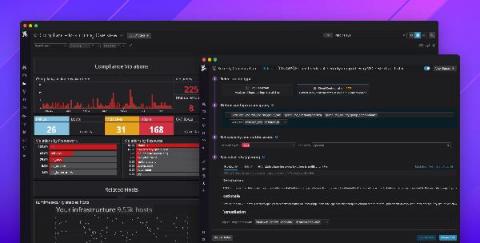
Creating security policies for the devices connected to your network is critical to ensuring that company data is safe. This is especially true as companies adopt a bring-your-own-device model and allow more personal phones, tablets, and laptops to connect to internal services. These devices, or endpoints, introduce unique vulnerabilities that can expose sensitive data if they are not monitored.

Contact Tracing: De-mystifying How an App Designed to Track People Can Ensure User Privacy and Security

Many governments in many countries around the world recognise that contact tracing plays a very important part to reduce the spread of the deadly disease, COVID-19. In this article, we take a look at the conventional method of contact tracking and comparing it against how technology helps contact tracing and its pro’s and con’s.