Security | Threat Detection | Cyberattacks | DevSecOps | Compliance

The Dubai Wi-Fi Trap: Why Free Internet Might Cost You Everything

You land in Dubai, grab your luggage, step outside into the warm desert breeze - and the first thing you see? Free Wi-Fi everywhere. Cafés, malls, beaches, taxis, even parking machines. It feels like a digital paradise. And while you're waiting for your car rent Dubai pickup, you naturally connect to whatever hotspot seems legit. After all, it's Dubai - everything here is premium, safe, polished. Right? Not exactly.

Gradual by Design: What the Cloudflare Outage Reveals About Robust SASE Architecture and Operations

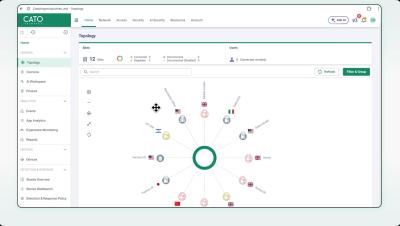
On November 18, 2025, a single configuration file change at Cloudflare disrupted access to large parts of the web. Around 11:20 UTC, Cloudflare’s network began returning a surge of HTTP 5xx errors. Users trying to reach services like X (formerly Twitter), ChatGPT/OpenAI, Ikea, Canva, and many others suddenly saw Cloudflare-branded error pages instead of the applications they expected. Cloudflare mitigated the issue, restored service, and published a detailed public report.

Why Compliance Alone Won't Secure Your Network

Many organizations focus on passing audits and earning certifications, believing those milestones signal safety. Yet the real world tells a different story. Breaches occur in environments that meet requirements on paper because attackers look for gaps that those standards overlook. Thus, leaders who want real protection need to shift their thinking. Instead of viewing compliance as the finish line, it should serve as a foundation.

Modern Network Setup & DevOps Practices: Building Secure, Scalable, and Self-Healing Infrastructure

As organizations move deeper into cloud-native ecosystems, modern network setup and DevOps engineering have become the backbone of operational stability. The days of simple on-prem routers and static topologies are long gone - today's infrastructure must be dynamic, observable, secure, and ready to scale on demand. Whether a company manages microservices, hybrid-cloud workloads, or distributed remote teams, the way networks are architected matters more than ever. Even a minor misconfiguration in routing or firewall rules can cascade into downtime, security gaps, or performance loss.

Managed Network Detection and Response: How It Works and Why Organizations Rely On It

Organizations today depend heavily on connected systems, cloud applications, remote users, and third-party services for their online security. In most cases, attacks do not start with an apparent alert on an endpoint. They often originate in the network in the form of a strange connection or an unusual traffic route. These signs are subtle and easy to overlook until the attacker has infiltrated further. Most IT teams try to keep an eye on this activity, but monitoring a network 24/7 is not feasible.

The Best IP Camera Live Streaming Server for RTSP Cameras

If you're looking for an IP camera live streaming server that "just works," Realtime gives you everything you need in one place. Connect your RTSP or RTSM camera, and Realtime turns it into a secure, embeddable, mobile-ready stream with unlimited viewers-no custom servers, no fragile scripts, and no streaming guesswork. Instead of building and maintaining your own IP camera streaming infrastructure, you plug your camera into Realtime and get a fully managed IP camera live streaming server in the cloud.

A Complete Guide to Transport Layer Security (TLS) Authentication

Data security is non-negotiable. Transport Layer Security (TLS) authentication stands as the cornerstone for the protection of data in transit. When it comes to protecting enterprise APIs, systems, and identities, the importance of TLS auth cannot be overstated.

Cato CTRL Threat Research: HashJack - Novel Indirect Prompt Injection Against AI Browser Assistants

HashJack is a newly discovered indirect prompt injection technique that conceals malicious instructions after the # in legitimate URLs. When AI browsers send the full URL (including the fragment) to their AI assistants, those hidden prompts get executed. This enables threat actors to conduct a variety of malicious activities.

The Dark Side of Black Friday: When Ransomware Attacks Join the Shopping Rush

As retailers gear up for the year’s biggest sales, cybercriminals are preparing for their own “Black Friday rush.” They’re not after TVs, they’re after data. Last year, phishing surged more than 600%1 during Black Friday week and ransomware attacks rose nearly 60%2.