Companies nowadays deal with vast amounts of data that are sensitive and to be protected at all times. While measures are adopted by them to ensure the safety of their applications and data, it is prudent to regularly test the efficacy of the adopted security measures.
Achieving SOC 2 compliance often necessitates the use of specialized tools and software to address specific application and data security measures, but which ones are the best to get the job done? We asked our customers which tools they used and compiled their answers below. Now, let’s break down the tools that have helped our customers achieve compliance excellence, so you can, too. Tools or services marked with * denotes a partner or integration.
POV: an important prospect requires all of their partners to get a SOC 2 audit. You’ve just met with your auditing firm and you’ve been tasked with evidence collection, which sounds like tracking down a lot of people and documents. No one can tell you when the RFP knowledge base was last updated. The sales team is asking how long it will take, and can it go faster? You sit back and wonder the same thing: is it possible, and if so, how?
Welcome to our guide on SOC 2 compliance! We’ll cover everything you need to know about SOC 2, including its key principles, types of reports, the preparation & audit processes, costs, and best practices. Let’s get started!
The SOC 2 framework helps you identify potential risks to your business and mitigate them with approved controls. To pass a SOC 2 audit, you must first define your audit objectives, determine your audit scope, and undergo a number of preparation steps and assessments. While these steps can be time-consuming, expensive, and arduous, achieving SOC 2 compliance can have huge business benefits for organizations, from improved compliance risk management to more sales opportunities.
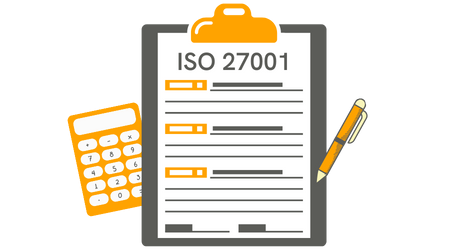
When a restaurant expects an inspection from the Health Department, management takes a number of steps to prepare. The team needs to understand what the inspector will look for and take proactive measures to address any obvious concerns. This involves cleaning, scrubbing, and being on best behavior. Conducting an ISO 27001 internal audit is like preparing for a health department inspection. An internal audit analyzes an organization’s information security management to find vulnerabilities.
In today’s digital world, it’s no surprise that cyberattacks are becoming more frequent and intense. Enterprises worldwide are trying to defend themselves against attacks such as ransomware, phishing, distributed denial of service and more. In this challenging cybersecurity landscape, now is the time for companies to prioritize security audits. What are cybersecurity audits and how often should they be to remain safe in the threatening IT world?
The blockchain industry is expected to grow and hit a value of $163 billion by 2029. With such growth will also come the ever-increasing need for ensuring the protection of blockchain applications. In comes blockchain auditing companies.