Security | Threat Detection | Cyberattacks | DevSecOps | Compliance

Always Ahead: Arctic Wolf on Artificial Intelligence

In this episode of Always Ahead, our Chief Product Officer Dan Schiappa explains how Arctic Wolf is incorporating the efficiency and speed of artificial intelligence into our security journey, empowering our world-class security concierge team to deliver comprehensive protection at the speed of data.
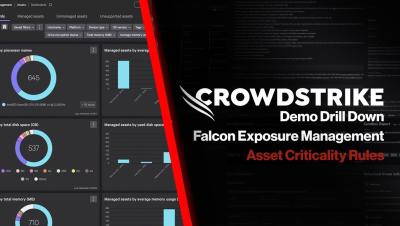
Falcon Exposure Management Asset Criticality Rules: Demo Drill Down

Undifferentiated protection of assets can lead to misallocated resources and vulnerable critical systems. Falcon Exposure Management's Asset Criticality Rules feature allows for precise prioritization of your most essential assets, ensuring they receive the focused protection they deserve. This demo will showcase how effectively implemented criticality rules bring clarity and strategic security to safeguard your key assets where it matters most.

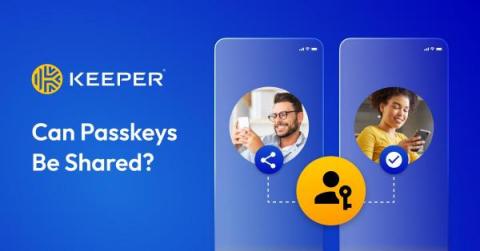
Can Passkeys Be Shared?

Yes, passkeys can be shared when you store them in a password manager that supports them. Since passkeys are tied to the devices they’re created on, sharing them with someone who uses a different Operating System (OS) isn’t an option. However, with a dedicated password manager, users can share their passkeys with anyone, no matter what devices they use.

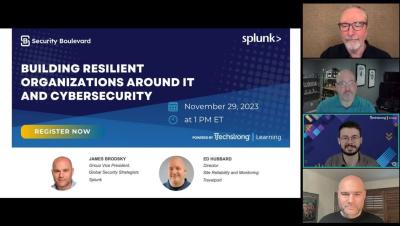
Building Resilient Organizations around IT and Cybersecurity

In this program, we hear from industry leaders focused on how to transform their teams and organizations while facing these challenges and how they address the gap in technically skilled employees while trying to foster this transformation. Speakers: Ed Hubbard, Director, Site Reliability and Monitoring - Travelport Mitch Ashley, CTO, Techstrong Group Principal - Techstrong Research James Brodsky, Group Vice President, Global Security Strategists - Splunk.

Understanding Why Supply Chain Security is Often Unheeded

Many organizations downplay the critical aspect of whether their cybersecurity provider has the ability to properly vet a third-party vendor's cybersecurity posture. There are multiple reasons behind this and there are also considerations of where the cybersecurity vetting process can go off the rails during supply chain purchases.

What is the Zero Trust Security Model?

Traditional security paradigms are increasingly falling short against sophisticated cyber threats in the dynamic and challenging cybersecurity landscape. This has led organizations to adopt the zero-trust security model, a paradigm shift that assumes no internal or external entity is to be trusted without verification.