Security | Threat Detection | Cyberattacks | DevSecOps | Compliance

Cato AI Security: Three Questions to Answer About AI in Your Organization

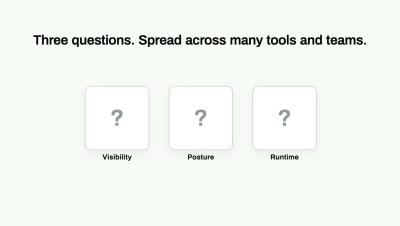
Do you know how AI is used in your organization right now? Cato AI Security helps you answer. AI is in the hands of employees, inside the applications teams build, and running as agents. That leaves security teams with three questions, spread across many tools and teams: which AI is in use, is it set up safely, and can you stop a threat inline? Cato AI Security answers all three on one platform: Cato AI Labs research finds AI-native attacks in the enterprise tools employees already use.

Cato Engine Playground: Test Your AI Detectors Before Production

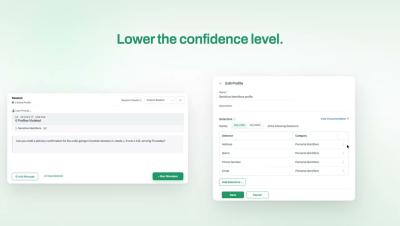
You've written your AI policies. Now prove they work before you publish them. Security teams build detectors to enforce their AI policies, and they need to see how those detectors behave before they go live. Too strict, and they block work that should go through. Too lenient, and nothing gets caught. The Engine Playground in the Cato Management Application lets security teams test detectors before they go into production.

Securing Agentic Workflows Starts With Data Lineage

A procurement lead asks an AI agent to summarize renewal terms for a software vendor. The agent pulls from a contract repository, a legal team’s chat thread, and a spreadsheet of negotiated discounts. A second agent turns the summary into a briefing and posts it to a shared workspace. No person reviews either handoff. Three weeks later, the vendor quotes an internal walk-away price that was never meant to leave the company.

Surviving cybersecurity until the end of 2026

It's been a brutal few weeks. A developer laptop led to the largest theft in crypto history at Binance. LiteLLM was poisoned, again, on PyPI. PHP2Shell and Node2Shell hit PHP and Node.js, which together run a huge share of the web. And let's not forget eMudhra and the private keys that could be recovered in seconds. These incidents relied on familiar techniques and very little sophistication. Attackers moved fast, though, and the window between disclosure and exploitation is closing quickly.

CrowdStrike Extends the Agentic SOC to Detect and Stop Agent Insider Threats

The most dangerous agent in your environment may be one you already approved. It runs under a real employee's identity, connects to tools their team signed off on, and has the access it needs to do its job. But when something upstream changes, like a tampered tool or an instruction that shouldn't be there, it can drift without tripping an alarm. This is the new insider threat: not an employee, but a trusted agent acting on their behalf.

CrowdStrike Introduces Agentic Adversary Emulation to Counter AI-Enabled Adversaries

Frontier AI is enabling threat actors to rapidly learn an environment, identify weaknesses, and chain them into viable paths to critical systems. These capabilities allow adversaries to move faster while exploiting vulnerabilities, misconfigurations, and other gaps to achieve their goals.

What is cookie consent and why is it important?

Accelerating security solutions for small businesses‍ Tagore offers strategic services to small businesses. A partnership that can scale‍ Tagore prioritized finding a managed compliance partner with an established product, dedicated support team, and rapid release rate. Standing out from competitors‍ Tagore's partnership with Vanta enhances its strategic focus and deepens client value, creating differentiation in a competitive market.

Incident Response Is No Longer About Response Alone. It's About Resilience.

Kroll Named in Forrester Cybersecurity Incident Response Services Landscape as It Launches Enhanced Retainer. An organization’s ability to respond to a cyber incident depends on decisions made long before an incident occurs. Investigating a breach, containing a threat and meeting legal and regulatory requirements remain essential. But effective incident response must also support a broader business objective: long-term resilience.