Security | Threat Detection | Cyberattacks | DevSecOps | Compliance

We Had 13 Engineers Spend Three Months Finding Vulnerabilities with LLMs

Blame for all flaws belongs to the flawed human author. Historically, the bottleneck for finding security bugs in software was human bandwidth. As pointed out in this great post by Tom Ptacek, it appears that large language models are exceptionally good at finding them with simple prompting. This adds substantial bandwidth to the effort of finding bugs.

AI adoption and third-party risk implications: How to close the governance gap

Accelerating security solutions for small businesses‍ Tagore offers strategic services to small businesses. A partnership that can scale‍ Tagore prioritized finding a managed compliance partner with an established product, dedicated support team, and rapid release rate. Standing out from competitors‍ Tagore's partnership with Vanta enhances its strategic focus and deepens client value, creating differentiation in a competitive market.

Stop chasing your team for security questionnaire answers

It's 11:40 am. A security questionnaire just hit your inbox. You open the file and quickly realize you can't finish this alone. Legal needs to review the data processing language. Product has to complete the architecture section. Security is the only team that can sign off on incident response. So you split up the questionnaire, Slack each department their section to answer, and wait... and wait... and wait.

What CRN's 2026 Annual Report Card Says About the Next Phase of AI Security

AI security is entering a more demanding phase. The market is moving beyond who can add AI to a product and toward who can make it useful in the real world — across existing security environments, partner ecosystems, and day-to-day operations. CRN’s 2026 Annual Report Card offers a useful snapshot of that shift. In the AI Security category, Exabeam earned the top overall score at 90.6, leading all four subcategories and every one of the 21 individual evaluation criteria.

Remediation Agents, Demystified: Why Fixing Beats Finding

Six new security issues for every one issue remediated. That's the ratio Snyk research has found, and it's why the AI Security Engineers Community gave an hour of livestream time to fixing rather than finding. Play Video: Remediation Agents Demystified: Your AI Teammate for Fixing Security Bugs Remediation Agents Demystified paired a fireside chat with a live demo.

Taming wild code with Tines 3B: The Headspace story

AI changed who can build, and now IT teams must navigate a new challenge. Employees across the business are creating apps, agents, and automations faster than ever. The result is a wave of "wild code": unmonitored workflows that solve immediate problems but bypass traditional governance and operational ownership. Without the right platform to centralize visibility and ensure safety, you face blind spots that compromise your most important workflows.

Validity-Override API Tutorial: Confirm If a Leaked Secret Is Still Exploitable

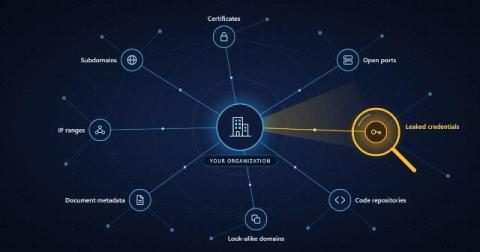
GitGuardian's validity-override API lets security and engineering teams tell GitGuardian whether an exposed credential is actually valid, even when automatic checks mark it as Failed to Check. Secrets tied to internal services, private APIs, or systems GitGuardian cannot reach often fall into this category. GitGuardian automatically validates most supported credential types, but when it cannot, teams can now perform their own validation and feed the result back into the platform.