The challenges companies face regarding private and professional data protection are more important today than ever. In the modern enterprise, cloud computing and the use of cloud-native architectures enable unmatched performance, flexibility, velocity, and innovation. However, as digitalization pushes applications and services to the cloud, cyber criminals’ intrusion techniques have become increasingly sophisticated.
SafeBreach recently held its second annual Validate Summit at The Star in Frisco, Texas, where SafeBreach customers, cybersecurity experts, and influencers explored how enterprises can stay ahead of risk and safeguard their critical business assets from inevitable cyberattacks by implementing proactive security practices. One hot topic was communicating security risk to the board.
Role-based access control (RBAC) is an approach for controlling which actions and resources in a system are available to different users. Users are assigned roles that grant them permission to use particular system features. Kubernetes has a robust built-in RBAC implementation for authorizing user interactions with your cluster. Setting up RBAC allows you to define the specific actions that users can perform on each Kubernetes object type.
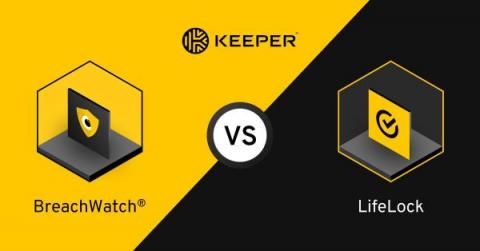
The main differences between BreachWatch® and LifeLock are the type of protection they offer, the cost of each solution and the features they have. Continue reading to learn how BreachWatch and LifeLock compare, and how to choose the right dark web monitoring solution for yourself.
Preventing data loss is a concern for almost every organization, regardless of size, especially organizations with sensitive data. Organizations, now more than ever before, rely on voluminous amounts of data to conduct business. When data leakage or a breach occurs, the organization is forced to deal with the negative consequences, such as the high cost associated with data breach fines and remediation and reputational harm to their company and brand.