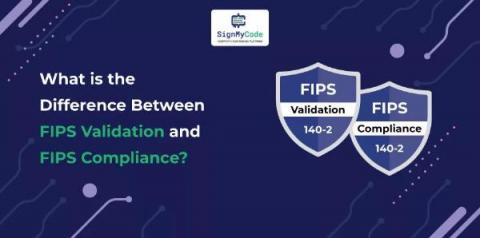
NIST established the crucial set of guidelines known as FIPS 140-2 to safeguard sensitive data, particularly for governmental organizations. It is to provide security and privacy when encrypting and decrypting data. The primary distinction between FIPS 140-2 validation and compliance is that. In contrast, validation involves determining if a system or product has been developed to comply with the standard’s requirements; compliance is putting those requirements into practice.
SOC 2 (Service Organization Control 2) provides a framework for assessing and reporting on the security, availability, processing integrity, confidentiality, and privacy of systems and data of service organizations. It was developed by the American Institute of Certified Public Accountants (AICPA) to address the need for consistent and comprehensive security and privacy controls in service organizations.
A relatively new way of strengthening your software supply chain security is to apply Supply Chain Levels for Software Artifacts (SLSA) in tandem with other tools such as software bills of materials (SBOMs), software composition analysis (SCA) for open source, and static application security testing (SAST) for proprietary code. Let’s take a look at what SLSA is and how its different levels work.
A strong misconception abounds that managed providers are impervious to data loss. The truth, however, is that accidents can happen at any time, to any business. Finding a provider that takes data backup and protection seriously, therefore, is critical to the well-being of your business. Opti9—a leading provider of managed cloud solutions—is one company that is addressing this problem head-on.