Security | Threat Detection | Cyberattacks | DevSecOps | Compliance

What is CISPA? A Guide to the Cyber Intelligence Sharing and Protection Act

The Cyber Intelligence Sharing and Protection Act (CISPA) was first introduced in 2011 by Representative Mike Rogers, the chairman of the House Select Committee on Intelligence Committee), and 111 co-sponsors. Although the House of Representatives originally passed the bill on April 25, 2012, it was later rejected by the US Senate. Since then, it has been reintroduced several times, but Congress has not passed the bill despite amendments made in good faith following criticism of some propositions.
What is the Cato Management Application?

Are you looking to get started with Cato Networks, but you're unsure how to begin? Join Robin Johns as he provides you with a tour of the Cato Management Application, and shows you how easy it is to deploy sites, configure users, monitor your applications and performance, while securing your network; all in one place.

Container Security Fundamentals - Linux Namespaces (Part 2): The PID Namespace

In this video we continue our examination of Linux namespaces by looking at some details of how the PID namespace can be used to isolate a container’s view of processes running on the host, and how this feature can be used for troubleshooting container problems. To learn more read our blog on Datadog’s Security Labs site.

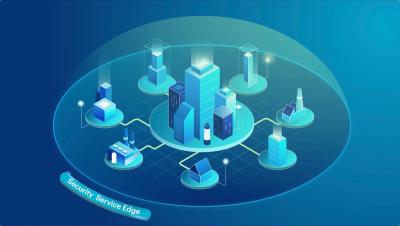
Security Service Edge (SSE) Explained

Netskope, a global cybersecurity leader, is redefining cloud, data, and network security to help organizations apply Zero Trust principles to protect data. The Netskope Intelligent Security Service Edge (SSE) platform is fast, easy to use, and secures people, devices, and data anywhere they go. Netskope helps customers reduce risk, accelerate performance, and get unrivaled visibility into any cloud, web, and private application activity. Thousands of customers, including more than 25 of the Fortune 100, trust Netskope and its powerful NewEdge network to address evolving threats, new risks, technology shifts, organizational and network changes, and new regulatory requirements. Learn how Netskope helps customers be ready for anything on their SASE journey.

DFARS Compliance: What You Need to Know

Businesses that work with the US Department of Defense (DoD) and collect, process, transmit, or store controlled unclassified information (CUI) must comply with Defense Federal Acquisition Regulation Supplement (DFARS) standards. The DoD has responded to the growing threat of cyber incidents, including cyberattacks from cybercriminals and nation-states, by prioritizing cybersecurity best practices and insisting they are implemented throughout the DoD supply chain.

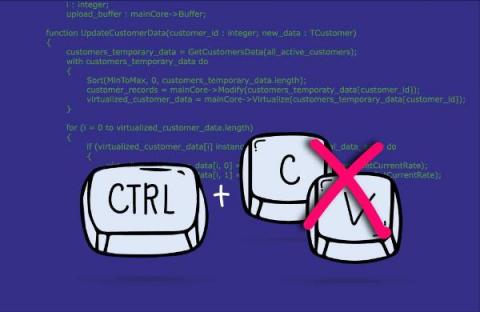
Why You Should Avoid Copy and Paste Code

So many things seem like a good idea at the time. The Red Sox selling Babe Ruth to the Yankees. Decca Records rejecting The Beatles. “New” Coca-Cola. Blockbuster passing on buying Netflix. The formation of Nickelback. Just popping into Ikea for a “quick” look around. Of course, we know differently. And the same can be said about copying and pasting code.

Understanding the Zero Trust Security Model

Are you looking for ways to transform your organization’s network security for the modern era? Zero. Zero. Trust security offers a cutting-edge approach that eliminates implicit trust and requires continuous verification of users and devices. Dive into this comprehensive guide and discover how Zero Trust can revolutionize your security posture and protect your valuable resources.

Is it time for a "cyber defense" strength and conditioning program?

They say the best way to stay healthy and maintain fitness as we age is through strength, conditioning, nutrition, and exercise. In the same way, as organizational cybersecurity efforts weaken with age they need to be analyzed and strengthened. Is it time to regain your organization’s cyber security in the weight room? Is it time for a cybersecurity personal trainer of sorts?

ATM Transaction Reversal Fraud: Strategies to Safeguard Your Finances

Picture a quaint, small town enveloped in the tranquility of a peaceful night. The only signs of life are flickering street lamps and the glow from the neighborhood automated teller machine (ATM). You spot someone approach the ATM, withdraw cash and walk away. It all looks so normal. What you don’t realize is that you have just witnessed a fraud attack, specifically, transaction reversal fraud (TRF).