Security | Threat Detection | Cyberattacks | DevSecOps | Compliance

Scaling security reviews at 1Password: Building an AI-powered pipeline

The developers and engineers here at 1Password are always working to improve our products. With all the active development to introduce features, fix bugs, and enhance the overall user experience, numerous code changes go into every release. We strive to ensure each iteration is better than the last and that new code doesn’t introduce vulnerabilities. A key part of this process is our Product Security (ProdSec) team’s review of all code changes that may have security implications.

Video-Based Construction Safety Toolbox Talks Explained

In the bustling world of construction, safety is very important. Construction safety toolbox talks are short, focused meetings that aim to enhance safety awareness among workers. These discussions are vital in the industry as they help prevent accidents and ensure everyone on site is aware of potential hazards.

Essential Features Every Small Business Website Needs

Small businesses face intense competition in nearly every industry. Whether customers discover you through search engines, social media, or word of mouth, they often visit your website before making a decision. In many cases, your website becomes your first salesperson, customer service representative, and brand ambassador all at once.

Falcon Cloud Security: Attack Path Analysis Across Multi-Cloud Environments

Falcon Cloud Security correlates cloud exposures into prioritized attack paths and enriches them with CrowdStrike adversary intelligence, helping teams focus on the risks most likely to be exploited across AWS, Azure, and Google Cloud. Subscribe and stay updated!

What Are Shadow Agents and Why Are They a Security Risk?

Most AI governance programs assume they know what they're governing. They track which AI tools employees use through browser proxies and SSO logs, block access to unauthorized platforms, and monitor data leaving through known egress channels. Shadow agents break every one of those assumptions. Agents run locally, act autonomously, and access data through pathways the tools monitoring your environment were never built to see, creating a new, and difficult to govern, attack surface.

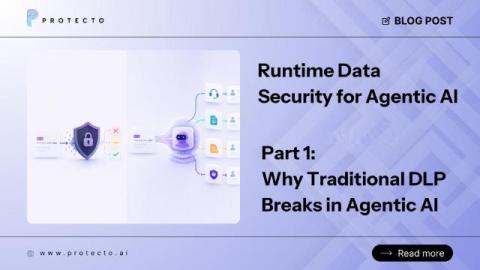
Why Traditional DLP Breaks in Agentic AI

A customer support agent needs a payment reference, a token or transaction ID, to issue a refund. A summarization agent reading the same ticket needs none of it. A billing agent needs only the last four digits to match a transaction. A fraud agent needs the full credit card number, but only when a case is open and only for the account it is reviewing. Traditional DLP sees one thing across all four: sensitive data, a 16-digit string that matches a card pattern. It makes one choice: block, redact, or allow.

The "Macs Don't Get Viruses" Myth Is Officially Dead in 2026

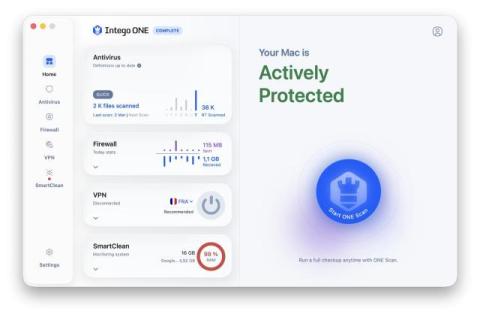
For many years, Apple users have believed that Mac computers are naturally protected from cyber threats. This perception was shaped by the relatively low number of attacks targeting macOS in the past. However, the cybersecurity environment in 2026 presents a very different reality. As Apple's global market share has expanded and Mac users have become increasingly valuable targets, cybercriminals have shifted their focus toward developing attacks specifically designed for macOS.