Security | Threat Detection | Cyberattacks | DevSecOps | Compliance

A New Chapter in Mobile Security: Tackling Human Risk with AI-Powered Social Engineering Protection

This week marks a milestone in the evolution of mobile endpoint security. At a time when attackers are moving faster and targeting smarter, Lookout is proud to unveil a breakthrough initiative: AI-powered social engineering protection—the first solution of its kind built to detect and disrupt human-targeted attacks at the mobile edge.

Illusion of control: Why securing AI agents challenges traditional cybersecurity models

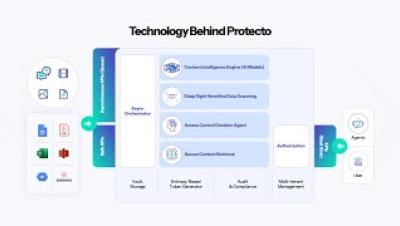
Enterprise security teams commonly focus on controlling AI agent conversations through prompt filters and testing edge cases to prevent unauthorized information access. While these measures matter, they miss the bigger picture: the real challenge is granting AI agents necessary permissions while minimizing risk exposure. This isn’t a new problem—it’s the same fundamental challenge we’ve faced with human users for years.

5 Top Programmatic AdTech Companies You Should Know in 2025

Investments in programmatic advertising are proliferating around the world. While in 2022, they did not even reach $500 billion, by 2028, they are projected to significantly exceed $800 billion. And that's no surprise, as such advertising technology allows you to get the most out of your marketing efforts by reaching the exact audience you're targeting and increasing your ROI.

Why Is My Phone Not Detecting My SIM Card? Troubleshooting Guide from Owl Repairs

Is your phone suddenly saying "No SIM" or "SIM Not Detected" even though your SIM is securely in place? You're not alone. This is a common and frustrating issue faced by both iPhone and Android users. At Owl Repairs, we've helped hundreds of customers solve SIM detection issues with quick diagnostics and repairs that restore your phone's functionality.

Zero Trust for IoT and OT: A Clear Path from Compliance to Confidence

Connected devices are powering transformation in every sector, whether it’s smart meters in energy, robotic arms in manufacturing, or infusion pumps in healthcare. But alongside innovation comes risk. More than 50% of connected devices have a known vulnerability, and with security breaches in IoT rising year over year, it’s no longer enough to bolt on protection after the fact.

America's AI Action plan has arrived: 3 key takeaways that data security leaders need to know

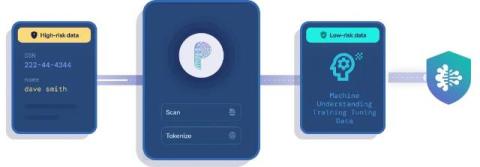
On July 23rd, the White House released America’s AI Action Plan, a sweeping federal strategy to drive U.S. leadership in artificial intelligence. The message was loud and clear: AI is a national imperative. The plan calls for removing regulatory barriers, investing in infrastructure, and accelerating AI adoption across commercial and government sectors. For data security leaders, this signals a pivotal shift.

Shifting from Vulnerability Management to Security Risk Prioritization with AI

The adage ‘an ounce of prevention is better than a pound of cure’ applies to AppSec vulnerability management. Traditionally, AppSec has focused on a reactive ‘curing flaws’ paradigm, identifying and fixing vulnerabilities after they have occurred. However, the never-ending escalation between threats and security leads to alert fatigue and security debt.

What is Data Poisoning? Types, Impact, & Best Practices

Data poisoning is a type of cyberattack where malicious actors deliberately manipulate or corrupt datasets meant for training machine learning models, especially large language models (LLMs). Tampering parts of a raw data set with an incorrect, often duplicitous one can negatively impact the result in various ways. Fundamentally, it aims to alter how AI models learn information so that the output is flawed.