
Security | Threat Detection | Cyberattacks | DevSecOps | Compliance

How to integrate third-party APIs in Drupal

Learn how to create and manage Custom REST API endpoints in Drupal using the Custom API module. This step-by-step tutorial shows how to build APIs without writing complex backend code, using Drupal’s core REST and routing system. Comprehensive Documentation: Don't forget to subscribe to our channel and click on the bell icon to get notifications about new uploads.
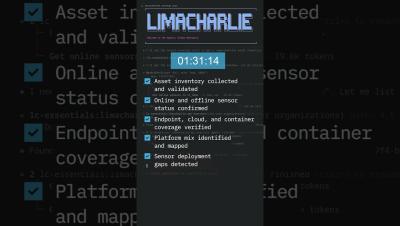
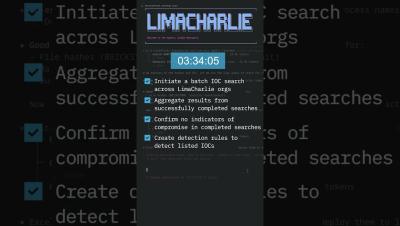
Claude Code reads a threat report, hunts for IOCs, and deploys detection rules #cybersecurity #ai

From threat intelligence article to deployed coverage. The AI agent extracts indicators, searches for compromise across tenants, confirms clean status, then creates and tests detection rules for ongoing protection within your LimaCharlie environment.

AI Action > AI Advice

Sr. Technical Content Strategist From Advisory AI to Operational AI in Security Operations The early wave of AI SOC platforms has delivered mixed results. While AI proved its usefulness as a triage assistant and next-step remediation advisor, these benefits came with significant drawbacks. Foremost, the cost of outsourcing an AI SOC is significant. Medium enterprises could expect to pay anywhere from $120,000 – $360,000 a year for the service.

AI Infrastructure Needs an Agentic Identity Framework - We're Building It

AI agents are about to cross a threshold. For infrastructure and security leaders, agentic AI is no longer an innovation topic but a production readiness problem. What started as sandboxed applications and tech demos at trade shows (bet you’ve seen a few of those) has morphed into long-running autonomous actors operating directly in production cloud and on-prem infrastructure. They read data, write code, deploy services, access databases, and make decisions continuously across environments.

AWS KMS Vs Azure Key Vault Vs GCP KMS: Choose the Best Cloud Security Storage

Data breaches aren’t costing thousands anymore. They’re costing companies their reputation, their customers, and in many cases, their future. And here’s the part nobody tells you until it’s too late. It’s not always ransomware. It’s not always a missing patch. It’s not always some genius hacker breaking in through a zero-day exploit. It’s simply because someone gained access to the encryption keys.