Security | Threat Detection | Cyberattacks | DevSecOps | Compliance

CMMC readiness: How AI-powered platforms accelerate DoD compliance

Defense contractors and organizations involved in Department of Defense (DoD) projects are facing growing pressure to comply with stringent cybersecurity standards. The Cybersecurity Maturity Model Certification (CMMC) represents a transformative initiative aimed at enhancing the security posture across the defense industrial base. As organizations embark on this compliance journey, AI-powered platforms are emerging as critical enablers to accelerate CMMC readiness.

Securing the Model Context Protocol (MCP): A Deep Dive into Emerging AI Risks

In 2025, the rise of autonomous agents and developer-integrated copilots has introduced an exciting new interface paradigm: the Model Context Protocol (MCP). Originally proposed by Anthropic, MCP has quickly become the de facto open standard for allowing language models to securely interact with external tools, APIs, databases, and services. But as enterprise adoption surges, so do the risks - both novel and unanticipated.

Kenton Varda on Safe AI-Assisted Coding and the Power of Cloudflare Workers

In this episode, host João Tomé is joined by Kenton Varda, Principal Engineer at Cloudflare, for a wide-ranging conversation about AI, code, and the evolution of Internet development. Timestamps: Kenton shares how a real-world project shifted his view from AI skepticism to seeing the promise of AI-assisted coding, while emphasizing the need for strong human review, especially for security. The episode also goes into the architecture of Cloudflare Workers and its first months, Durable Objects, and the vision of the Internet as one programmable computer: “the network is the computer”.

Reclaiming analyst time: Smarter investigations with AI in defence

How the MOD can reduce investigation fatigue and boost operational efficiency Security analysts at the UK Ministry of Defence (MOD) — and everywhere — face an overwhelming challenge: They can receive thousands of alerts daily, and distinguishing genuine threats from false positives in a timely fashion has become nearly impossible without technological intervention.

How to Enhance the Workflow: Tips for Using Jira with Azure DevOps

Consider a typical scenario. Your development department scales along with the company. Your needs grow, so teams plan to adopt specialized tools for different purposes. The decision is to use Jira for product and issue tracking. Elements like version control, pipelines, and deployments will be managed in Azure DevOps (ADO). Each platform excels in its domain, but running them in isolation is a different story.

How AI Can Reduce Alert Fatigue in Your SOC

Alert fatigue is a common phenomenon in Security Operations Centers (SOCs). It’s the digital equivalent of crying wolf. As SOCs are flooded with a relentless stream of alerts—many of which are low priority or false positives—it becomes increasingly difficult to identify truly critical security threats. Analysts are stuck spending countless hours verifying, contextualizing, analyzing, and acting on information, often at the cost of missing out on critical alerts.

OWASP MASTG Best Practices Checklist for Mobile App Security

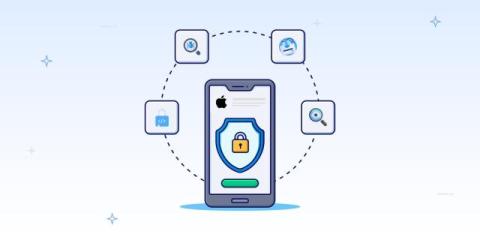
Mobile applications are at the heart of today’s digital experience, but with their convenience comes a growing landscape of security threats. For developers and security teams, simply building a functional app is no longer enough—protecting user data and business assets must be woven into every stage of the mobile app lifecycle. That’s where the OWASP Mobile Application Security Testing Guide (MASTG) steps in.