Security | Threat Detection | Cyberattacks | DevSecOps | Compliance

Cato Application Catalog - How we supercharged application categorization with AI/ML

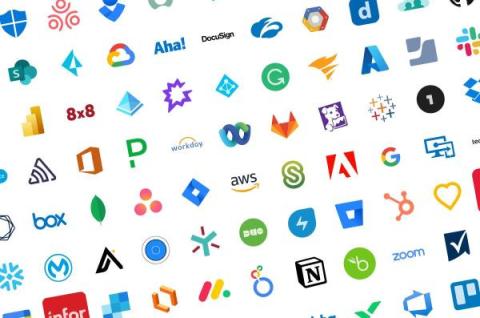
New applications emerge at an almost impossible to keep-up-with pace, creating a constant challenge and blind spot for IT and security teams in the form of Shadow IT. Organizations must keep up by using tools that are automatically updated with latest developments and changes in the applications landscape to maintain proper security. An integral part of any SASE product is its ability to accurately categorize and map user traffic to the actual application being used.
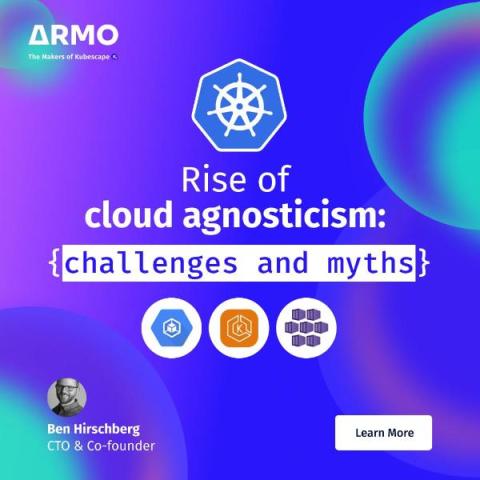

Rise of cloud agnosticism: challenges and myths

In the evolving landscape of technology, cloud agnosticism has seen increasing traction. This refers to the ability to design and deploy applications seamlessly on any cloud platform, whether that be AWS, GCP, Azure, or others. Cloud agnosticism is essentially a design principle that advocates for flexibility, portability, and interoperability, allowing organizations to use multiple cloud providers without being tied to the services or infrastructure of any single one.

Decoding Generative AI: Myths, Realities and Cybersecurity Insights || Razorthorn Security

In the latest episode of the Razorwire podcast, I am delighted to welcome back our esteemed cybersecurity professionals, Oliver Rochford and Richard Cassidy. Today, we delve into the fascinating realm of generative AI and its applications in the cybersecurity landscape.

API Security Standards and Protocols: A Primer

Recent API breaches drive home the urgency of robust security. In the T-Mobile data breach, for example, the attackers exploited vulnerabilities in an API to compromise sensitive customer data. This incident exposed millions of users to potential identity theft and underscored the devastating impact of API security lapses. Infiltrating through the API, the attackers gained unauthorized access to customer records, emphasizing the need for comprehensive protection measures.

CrowdStrike's View on the New U.S. Policy for Artificial Intelligence

The major news in technology policy circles is this month’s release of the long-anticipated Executive Order (E.O.) on the Safe, Secure, and Trustworthy Development and Use of Artificial Intelligence. While E.O.s govern policy areas within the direct control of the U.S. government’s Executive Branch, they are important broadly because they inform industry best practices and can even potentially inform subsequent laws and regulations in the U.S. and abroad.

Unpacking the Zimbra Cross-Site Scripting Vulnerability (CVE-2023-37580)

On November 16, 2023, a significant security concern was published by Google's Threat Analysis Group (TAG). They revealed an alarming vulnerability in Zimbra Collaboration, a widely-used email hosting tool for organizations. This vulnerability, designated with an identifier, CVE-2023-37580, is a glaring example of a reflected cross-site scripting (XSS) issue. It allows malicious scripts to be injected into unsuspecting users' browsers through a deceptively simple method: clicking on a harmful link.

Zenity Leads the Charge by Becoming the First to Bring Application Security to Enterprise AI Copilots

Microsoft Ignite 2023 was an eventful one, with many announcements across Microsoft’s AI Copilot capabilities. The biggest announcement, in our opinion, is that of Microsoft Copilot Studio, a low-code tool that allows professional and citizen developers to build standalone AI Copilots, as well as customize Microsoft Copilot for Microsoft 365.