Security | Threat Detection | Cyberattacks | DevSecOps | Compliance


CVE-2021-45046: New Log4j Vulnerability Discovered

Shortly after the Apache Software Foundation (ASF) released the bug fix for the vulnerability known as Log4Shell or LogJam (CVE-2021-44228), a new vulnerability was discovered in Log4j Java-based logging library, tracked as CVE-2021-45046. While Log4Shell had the maximum CVSS score of 10, this new vulnerability is rated as 3.7, affecting all versions of Log4j between 2.0-beta9 and 2.12.1, as well as between 2.13.0 and 2.15.0.

58% of Orgs Are Using a Vulnerable Version of Log4j

On December 9, 2021, a zero-day vulnerability in Log4j 2.x was discovered. This vulnerability is of great concern because if it’s successfully exploited, attackers are able to perform a RCE (Remote Code Execution) attack and compromise the affected server. Since we are a cloud-based Software Composition Analysis (SCA) provider, we have useful customer data that gives insight into the scope of the Log4j vulnerability.

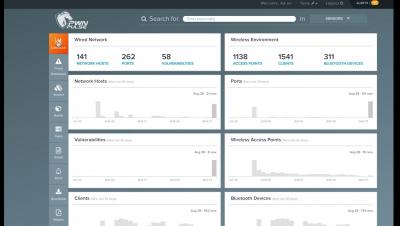
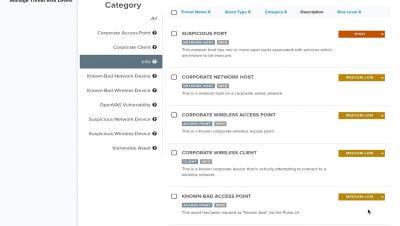
Addressing Log4j2 Vulnerabilities: How Tripwire Can Help

On December 9th 2021, Apache published a zero-day vulnerability (CVE-2021-44228) for Apache Log4j being referred to as “Log4Shell.” This vulnerability has been classified as “Critical” with a CVSS score of 10, allowing for Remote Code Execution with system-level privileges. If you are currently working to identify instances of this vulnerability, Tripwire can help.

Log4j Log4Shell Vulnerability: All You Need To Know

On December 9, 2021, a researcher from the Alibaba Cloud Security Team dropped a zero-day remote code execution exploit on Twitter, targeting the extremely popular log4j logging framework for Java. Since then, the trivially exploitable (weaponized PoCs are available publicly) and extremely popular library has reportedly been massively exploited and has gotten wide coverage on media and social networks.

Log4Shell in a nutshell (for non-developers & non-Java developers)

If you’re in tech at all, you’ve likely heard of the Log4Shell exploit taking over the Intertubes. If you’re not a Java developer (or developer of any sort), you may be left scratching your head as to just what’s going on. This post is split into two parts: an explanation of Log4Shell for non-developers and an overview of the Log4Shell vulnerability for non-Java developers.

The Log4j Log4Shell vulnerability: Overview, detection, and remediation

On December 9, 2021, a critical vulnerability in the popular Log4j Java logging library was disclosed and nicknamed Log4Shell. The vulnerability is tracked as CVE-2021-44228 and is a remote code execution vulnerability that can give an attacker full control of any impacted system. In this blog post, we will: We will also look at how to leverage Datadog to protect your infrastructure and applications.

Don't panic, we'll get through Log4shell together

On December 10th, the world was greeted by the latest great cyber security threat, and the developer community globally is working tirelessly to secure their applications. Find out what the notorious Log4shell vulnerability is, how developers and organisations are being affected by it, and what exposed ecosystems are doing to mitigate the risk. Guests Brian Clark - Senior Developer Advocate at Snyk Kyle Suero - Senior Security Advocate at Snyk Chris Russell - CISO at tZERO Alyssa Miller - BISO - S&P Global Ratings

Simplifying detection of Log4Shell

Security workers across the world have been busy since last Friday dealing with CVE-2021-44228, the log4j 0-day known as Log4Shell, that is already being heavily exploited across the Internet. Given the huge number of systems that embed the vulnerable library, the myriad ways that attackers can exploit the vulnerability, and the fact that automated exploitation has already begun, defenders should expect to be dealing with it for the foreseeable future.