Security | Threat Detection | Cyberattacks | DevSecOps | Compliance

Understanding How NIST Shapes the Zero Trust Security Framework

Zero trust has become one of modern security’s most prominent strategies. Zero trust architecture is based on the fundamental idea that every network, user, and system must be verified consistently, instead of granting trust based on past access. Although zero trust is a commonly accepted practice today, it’s important to understand the pivotal role that the National Institute of Standards and Technology (NIST) plays in defining zero trust architecture and other cybersecurity frameworks.

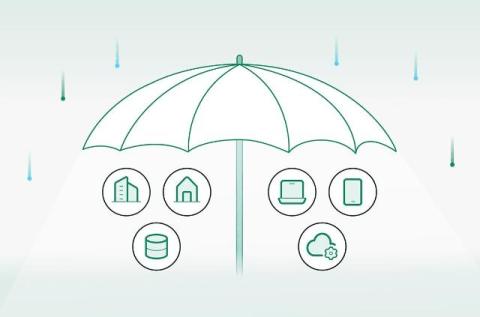
Why a Zero Trust Architecture Must Include Database Security

Whether the means of a cyber-attack are phishing, ransomware, advanced persistent threat, malware, or some combination, the target is ultimately the same: your data. So, as companies seek to implement a zero-trust approach to security, they would do well to include database protection. Interest in Zero Trust is certainly high, with nearly two-thirds (63%) of organizations worldwide having implemented a zero-trust strategy, according to a recent Gartner survey. But it is hardly all-encompassing.

Understanding the Zero Trust Framework

In the past, an organization’s digital data was safe behind passwords, firewalls, and physical locked doors. Today, cloud computing and remote work have rendered these traditional approaches much less effective. Threat actors can launch attacks from almost any device, almost anywhere. Usernames and passwords are widely available on the dark web. To keep sensitive data safe, organizations must understand that any account — even one with the proper credentials — could be compromised.

The Role of Security Configuration Management in Achieving Zero Trust Security Architectures

Zero Trust is a network security model that dictates that no one or no system should be trusted by default and that every attempt to access a network or application is a threat. For those who are naturally trusting of others, this concept is difficult to accept. However, distrusting every entity on a network until it has been verified is imperative today.

Support Universal ZTNA with Netskope One Private Access

As hybrid work becomes the norm, it’s clear that traditional virtual private networks (VPNs) and network access control (NAC) solutions are falling short. Once the gold standard for secure remote access, VPNs now pose more problems than solutions—think slow performance, security risks, and complex operations.

Critical Infrastructure Security: Preparing for Emerging Threats

Critical infrastructure security can never be overstated in an era when cyberattacks increasingly target modern civilization's backbone. In the past few years, cyberattacks on power grids, transportation systems, and public utilities have highlighted how vulnerable our society is to disruption. A single breach can bring entire regions to a standstill, highlighting the fragility of our interconnected systems.

Ensuring Classified Data Doesn't End Up Public Using Data-centric Zero Trust

This week, the FBI announced it is investigating a classified data leak of U.S. intel on Israel’s plans to retaliate against Iran. The top-secret documents were exposed on the Telegram messaging app, and it’s unclear if it was a leak or hack. The investigation will center on the Defense Department’s National Geospatial-Intelligence Agency, which manages the country’s network of spy satellites and anyone with access to the classified document.