Security | Threat Detection | Cyberattacks | DevSecOps | Compliance

11:11 Systems Receives Prestigious 2024 Zero Trust Security Excellence Award

The Greek philosopher Aristotle once remarked, “Excellence is never an accident. It is always the result of high intention, sincere effort, and intelligent execution.” When you’re winning, the thrill is undeniable. Success, whether in the casino or on the basketball court, requires focus and discipline. It’s a feeling like no other when everything finally clicks.

Zero Trust vs Traditional Security Models: What's the Difference?

As cyber attacks grow in sophistication, traditional security models become more vulnerable, prompting many organizations to adopt zero-trust security. The main difference between traditional and zero-trust security models is how they approach access control. Traditional security models assume trust for users inside their networks, whereas zero-trust security verifies every user and device by default, requiring continuous authentication.

Zero Trust Strengthens Data Protection to Achieve National Cyber Strategy Goals

CrowdStrike recently announced FedRAMP authorization for CrowdStrike Falcon Data Protection, now available to government entities requiring Federal Risk and Authorization Management Program (FedRAMP) Moderate authorization, enabling them to secure assets through the CrowdStrike Falcon Platform in GovCloud. This advancement supports compliance efforts and adoption of Zero Trust frameworks across government environments.

Zero Trust in 2025: 5 Sensitive Areas to Prioritize

From external collaboration and compliance to key financial info and intellectual property, here are five areas that need Zero Trust as a priority. In mid 2024, Gartner research found that 63% of global organizations had fully or partially-implemented a Zero Trust strategy, but these strategies only covered a small portion of the organization’s environment and that many enterprises were still “not sure what the top practices are for Zero Trust implementations.”

Enhancing Cybersecurity: Essential Inbound Email Security Strategies for Modern Businesses

As cyber threats continue to evolve, protecting your organization's email communications has never been more critical. From advanced AI-powered filtering to comprehensive staff training, discover the essential strategies that safeguard your business against modern email-based attacks. This guide provides actionable insights to strengthen your security posture and defend against emerging threats targeting your inbox.

Achieving Secure Access: How to Implement Zero Trust for Remote Workers

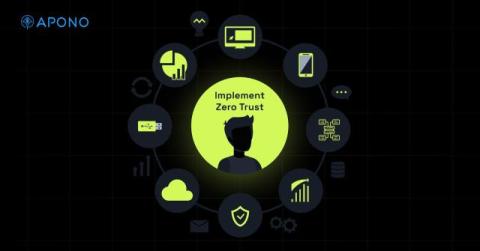
A remote workforce is a uniquely powerful thing. It allows an organization to recruit and retain the best talent for the job regardless of their ability to report to an office suite every morning. Yet, as a certain comic book uncle once informed his young nephew, with great power comes great responsibility. To meet that responsibility of providing both access and security, you need to know how to implement zero trust.

ZTNA and Microsegmentation: A Powerful Duo to Mitigate the Risk of Breaches

Last year, organizations all around the world collectively suffered more than 10,000 data breaches. These attacks may have exposed more than 360 million people to potential cyber threats, from identity theft to ransomware. As remote employment, cloud computing, and mobile devices become more common in the workplace, threat actors have more methods than ever to compromise legitimate accounts and steal sensitive data.

How Williams Racing Secures Its Global Operations With Zero-Trust Cybersecurity

In the intense arena of Formula 1 racing, every millisecond counts – not just on the track but also in protecting the valuable data that drives success. Williams Racing, a team that has an impressive record in F1 with nine Constructors’ Championships and seven Drivers’ Championships, recently faced a critical challenge: securing sensitive data across a global operation while maintaining the lightning-fast access their team needs to compete.

Replacing Traditional Security Models: Why the Shift to Zero Trust Matters

The increasing sophistication of cyber attacks, the proliferation of cloud services, and the new normal of remote work have all changed the modern cybersecurity landscape. As traditional perimeter-based approaches to security become increasingly vulnerable to these modern cyber threats, zero trust has emerged as the modern security strategy of choice. Zero trust architecture is critical for any organization seeking to improve resilience, reduce breach risk, and enhance data protection.