Security | Threat Detection | Cyberattacks | DevSecOps | Compliance

The missing piece of your Zero Trust strategy: A unified data layer

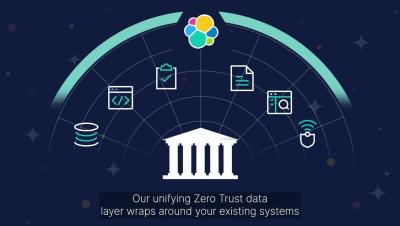
How public sector agencies can solve Zero Trust challenges and break down silos with a unified data layer In the evolving and complex cyber landscape, the Zero Trust approach is instrumental in addressing both internal and external threats. It's a comprehensive strategy rather than a single solution, demanding the orchestration of multiple components to be genuinely effective.

Is Zero Trust Widely Accepted?

Cyber threats are evolving and are one of the reasons why data breach costs increase each year, and traditional security models are struggling to keep up. As businesses embrace cloud computing and working remotely, the old "trust but verify" approach is proving inadequate, leading to the increased adoption of zero-trust policies. But is Zero Trust widely accepted? The answer is increasingly yes. So, how does Zero Trust work, and what makes it so effective?

Federal Zero Trust Maturity: From Backburner to Afterburner

Three years ago, the Federal Zero Trust Strategy promised that the government would learn and adjust as new technologies and practices emerge. That time is now. Let’s explore key innovations that advance Zero Trust maturity when your industry partner uses a federal-first approach. Watch this video to learn more.

WatchGuard Awarded in the 2024 TMCnet Zero Trust Security Excellence Award

For the second year in a row, TMCnet, a global, integrated media company, has recognized WatchGuard EPDR + Zero-Trust Application Service with a Zero Trust Security Excellence Award. The award recognizes the leaders and pioneers in the zero trust industry offering the most innovative and effective solutions.

Understanding the Zero Trust Security Framework: Core Principles and Benefits for CISOs

The Zero Trust Security Framework is a fundamental approach to digital security. It assumes that every user and device is untrusted, requiring continuous authentication. This model helps to protect against the growing number of cyber threats. In this article, we discuss its principles, benefits, and real-world applications.

Zero-Trust Access for GitHub

Our journey with GitHub proxy support began with an internal challenge: securing our most critical repositories against unauthorized acess. As a company that manages infrastructure as code, including sensitive systems like Hardening Okta with Terraform, we needed an ironclad solution to lock down acess to our codebase. The problem was that traditional authentication methods like SSH keys and Personal Access Tokens (PATs) left our repositories vulnerable to unauthorized access.

How to Implement Zero Trust: A Step-by-Step Guide

Some traditional security methods are no match for evolving cyber threats, which is why zero trust is an essential addition to every organization’s arsenal. Unlike perimeter defenses, zero trust secures access at every level, verifying every device and user continuously to create a security posture that is far harder to penetrate. Gartner reports that 63% of organizations now use a zero trust strategy, a shift driven by the rising costs and frequency of successful breaches.

Tanium Zero Trust - Microsoft Entra ID - Tanium Tech Talks #119

When zero trust "works", it means that user productivity is interrupted, usually for hours. Tanium is your real-time data source for trust data of managed endpoints. Integrate with Microsoft Azure Entra ID for a better together story with the following benefits: Watch the demo. Then use the links below to learn more and try it with the hands-on walk through.

Game Development Security Trends in 2025

Game development is more exciting than ever, but with new technology comes new security challenges. In 2025, protecting games isn't just about stopping cheaters - it's about safeguarding player data, preventing cyberattacks, and ensuring fair play in an industry that's constantly evolving.