When it comes to cloud security solution options, there are many items to consider including protecting sensitive data, regulatory compliance, and protecting your organization from cyber security threats. Here are the options we recommend.
You’ll probably agree that there are barely any organizations left that don’t use some form of cloud computing in their daily operations. In fact, the cloud computing market is booming, with various sources expecting a worth of upwards of $600 billion within the next two years. And it makes sense: Cloud computing is the cheaper, scalable, easier-to-manage young cousin of yesteryear’s private server.
Whether you’re migrating to the cloud via lift-and-shift deployments, or re-architecting to a cloud-native architecture, the migration itself and adopting a microservices architecture is no easy feat. To accelerate their cloud-native journey, many organizations opt for a managed Kubernetes service, as the skill and resources required to run a container orchestration system at scale are demanding.
For most companies, security and IT systems are growing in complexity, breadth of scope, and coverage, which consumes budget and staff time. The rapid breakdown of the traditional perimeter in this “new normal” world increases the challenges IT teams and remote users face on a daily basis.
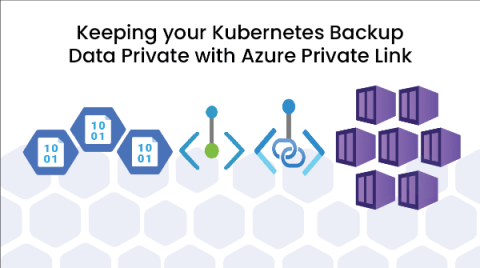
At CloudCasa, as a cloud-native backup-as-a-service provider, we are often dealing with customer concerns about the security and privacy of their data. Sometimes the concern is almost paradoxical because the data and application they are protecting is publicly accessible and running inside the public cloud. However, there are times when organizations use public cloud infrastructure with a network architecture that resembles a private cloud.
As more and more applications and application development move to the cloud, traditional security roles and organizational structures are being shaken up. Why is that and what are the benefits of a cloud-first approach for business?
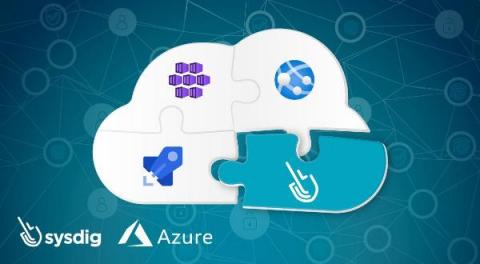
This article is intended to summarize the security services and tools provided by Microsoft for Azure cloud. We will also explore the value add Sysdig can provide when used in conjunction with the default Azure services for security.
Software-as-a-Service (SaaS) applications are built on the premise of streamlining business practices to improve productivity. Microsoft 365, Salesforce, and similar SaaS platforms commonly integrate automation tools that allow business users to develop the tools that they need to do their jobs. The latest iteration of this is the integration of low-code/no-code platforms into these SaaS solutions.
Cloud adoption has gained solid momentum over the past few years. The technology has been helping organizations revolutionize their businesses and optimize their processes for increased productivity, reduced cost, and better scalability. But as organizations pour their entire focus on improving their businesses, they tend to lose control of governance. One of the many reasons that data governance tends to get more out of control is when organizations increasingly adopt a hybrid or multi-cloud model.