The reason organizations are embracing cloud-native development is clear: AWS reports those who migrated saw an average of 20% infrastructure cost savings and 66% increase in administrator productivity. Moving your development process to the cloud offers these benefits and many others, but it also offers a whole new set of security challenges. This series is aimed at helping developers create secure infrastructure for modern, cloud-native applications.
Cloud applications have opened up limitless opportunities for most organizations. They make it easier for people to collaborate and stay productive, and require a lot less maintenance to deploy, which means they’re much more affordable and easy to scale to your needs. But for all of their benefits, cloud apps also open up your organization to a host of new risks. By enabling users anywhere access to corporate resources you lose the visibility and control that perimeter-based tools provide.
In the days of on-prem data centers and early cloud adoption, the roles of application developers, infrastructure operations, and security were largely siloed. In the cloud, this division of labor increases the time-to-market for innovation, reduces productivity, and invites unnecessary risk.
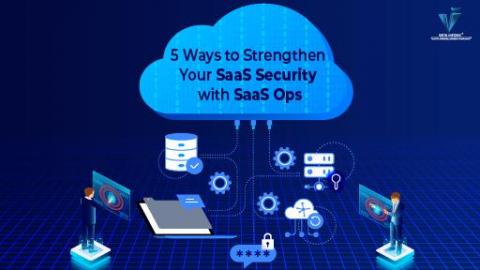
Many organizations have multi-cloud setups, with the average corporation employing services from at least five cloud providers. Compatibility problems, contract breaches, non-secured APIs, and misconfigurations are among the security hazards cloud computing brings, which is popular. SaaS configurations are an attractive target for cybercriminals because they store a large amount of sensitive data, such as payment card details and personal information.
While online learning provides many positive opportunities for learners and teachers alike, it is more important than ever to strengthen cybersecurity defenses to deal with new and emerging attacks. As school is back in session, now is a good time to double-check that you’re doing everything necessary to keep your data (and your homework) secure online.
Even the most precise and regimented DevOps teams can be plagued by numerous post-deployment security issues, causing potentially damaging production delays and engineering rework. Building on Snyk’s successful acceleration of DevSecOps, Snyk IaC empowers developers to treat Terraform like any other form of code and proactively test IaC early as well as continuously monitor infrastructure post-deployment.