How to comply with PCI DSS 4.0 while juggling day-to-day tasks
In our webinar, Insights for Navigating PCI DSS 4.0 Milestones, we discuss some of the challenges organizations face as they try to comprehend the new requirements of PCI DSS 4.0.


In our webinar, Insights for Navigating PCI DSS 4.0 Milestones, we discuss some of the challenges organizations face as they try to comprehend the new requirements of PCI DSS 4.0.
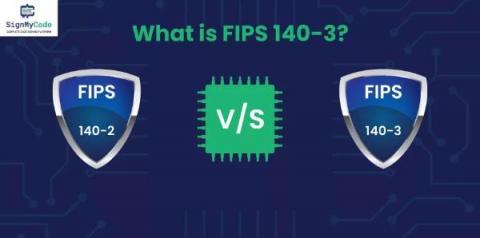
The Federal Information Processing Standard (FIPS) 140-3, is a collection of standards released by the United States government to examine cryptography modules. It explains how to design, develop, and run a cryptography module. The National Institute of Standards and Technology (NIST) and Communications Security Establishment (CSE) created FIPS 140-3 to safeguard critical, unclassified information.
After tons of hard work, your company has successfully completed a SOC 2 audit and received a well-deserved SOC 2 report! Congratulations! Receiving your SOC 2 attestation is no easy feat, and it’s a significant milestone that demonstrates your company’s commitment to security and trust assurance. If you’re not sure what to do next, no worries – the hard part is done.
At Vanta, we’re on a mission to secure the internet and protect consumer data by transforming the way companies meet their security compliance and establish and deepen trust with their customers, vendors, and partners. Today we’re excited to share several announcements that help us achieve our mission.
POV: an important prospect requires all of their partners to get a SOC 2 audit. You’ve just met with your auditing firm and you’ve been tasked with evidence collection, which sounds like tracking down a lot of people and documents. No one can tell you when the RFP knowledge base was last updated. The sales team is asking how long it will take, and can it go faster? You sit back and wonder the same thing: is it possible, and if so, how?