Security | Threat Detection | Cyberattacks | DevSecOps | Compliance

Beyond PCI and HIPAA: How Feroot Powers Digital Operational Resilience Act (DORA) Compliance

If you’re in financial services—or provide technology services to banks, insurers, or fintechs—the answer is almost certainly yes. DORA, which takes effect in January 2025, creates a harmonized EU-wide regulatory framework to ensure that financial institutions and their vendors can withstand cyberattacks and technology disruptions.


FedRAMP Monthly ConMon vs Annual Assessments

We say this just about every time the subject comes up (which is often, given our industry and role in it), but valid information security is not a state of being. It is a moving target and a process. Achieving certification for a certain level of security is a snapshot of a moment in time, but before the hands on the clock swing around again, that snapshot is out of date. Security frameworks like FedRAMP deal with this reality in a few different ways.

How to Choose the Right Server for Your Project: A Beginner's Guide to Hosting, Hardware, and Future Growth

You've built something worth sharing: a shop, a SaaS idea, a multiplayer game mode, an internal dashboard. Now you're staring at a wall of options-VPS, dedicated, colocation, cloud, serverless-and a soup of acronyms-CPU, ECC, NVMe, RAID, RTO, PCIe. This guide walks you through the decision like a calm, experienced teammate. We'll translate jargon, give you a repeatable process, and outline a path that works today and scales tomorrow.

Using JFrog to Align Your Systems for ISO 27001 Compliance

ISO/IEC 27001 is an information security standard that is quickly becoming a must-have for any organization that handles proprietary customer data. ISO 27001 certification is now often a requirement to do business, particularly for IT and SaaS organizations – JFrog included! In this blog, you’ll learn more about ISO 27001, how to get certified, and how JFrog Platform capabilities can help you streamline the certification process.

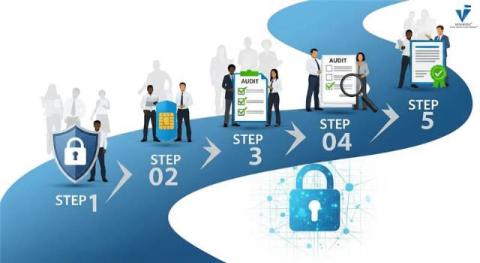
PCI DSS 4.0 Readiness Roadmap: A Step-by-Step Path Before Audit

Getting PCI DSS compliant is like preparing for a big exam. You cannot just walk into it blind, you first need to prepare, check your weak areas, next fix them, and then only face the audit. If you are here today for the roadmap, I assume you are preparing for an audit now or sometime in the future, and I hope this roadmap helps you as your preparation guide. So, let’s get started!

9 Best GRC Platforms for 2025

If there's one thing 2025 has made clear, it's that Governance, Risk, and Compliance (GRC) is no longer just a regulatory checkbox. It's the nervous system that connects security, operations, and strategy. Whether it's adapting to new laws, keeping an eye on third-party risks, or managing cyber threats before they become headlines, the right GRC platform can make all the difference. The list below focuses on the GRC solutions that are making the biggest impact right now.
Featured Post

The Global Regulatory Convergence: A Catalyst for Smarter Compliance

As digital technologies and threats transcend borders, the global convergence of regulatory frameworks is no coincidence. Governments and regulators are recognising the need for consistency as cyberattacks, data breaches, algorithmic bias, and systemic failures in digital infrastructure are no longer local concerns but are global risks that require harmonised solutions.

From issues to impact: Making sense of GRC gaps

Every audit turns up a few surprises. A missing patch here. A policy that was missing a few key processes. An employee training record that slipped through the cracks. Together all of these gaps tell a story: somewhere, a control isn’t doing what you expect. ‍ In GRC, we give those events names, issues, risks, and exceptions, and the way they connect is what separates a reactive program from a resilient one. ‍

Beyond PCI and HIPAA: How Feroot Powers Personal Information Protection and Electronic Documents Act (PIPEDA) Compliance

If your organization collects personal information from Canadian residents—whether through e-commerce websites, SaaS applications, or marketing platforms—PIPEDA likely applies to you. The challenge? PIPEDA’s principles-based framework is intentionally broad, making it difficult for organizations to know where they stand. One of the most overlooked areas of compliance is the client-side of web applications, where third-party scripts, pixels, and tag managers quietly handle customer data.