Security | Threat Detection | Cyberattacks | DevSecOps | Compliance

Vanta Partners with XBOW to Deliver Autonomous Penetration Testing to Startups

New in-app integration delivers enterprise-grade security testing at startup speed and scale. Showcasing new innovation across the AI-powered Vanta platform at booth #5424 and XBOW's autonomous pen testing at booth #3257 at Black Hat 2025.

Netacea Achieves SOC 2 Compliance for the Fifth Consecutive Year: Why It Matters

We’re proud to announce that Netacea has once again successfully completed our SOC 2 Type II audit, marking our fifth consecutive year achieving this important milestone in data security and trust. SOC 2 compliance isn’t a checkbox exercise. It’s a rigorous, independent validation of how seriously we take the responsibility of protecting customer data. For five years running, Netacea has demonstrated our commitment to operating securely, reliably, and transparently.

New security capabilities for startups: Build enterprise-grade trust without compromising speed

As a startup, your early success and growth depend on earning buyer trust. But when you have limited levers to pull, like brand recognition, customer logos, and investor backing, proving trust often comes down to demonstrating a strong security posture. ‍ However, the bar for trust is rising—especially if you’re building with AI. Today’s discerning buyers expect more than a SOC 2 report.

10 Ways Cybersecurity Teams Can Stay Ahead of Emerging Threats

Cybersecurity threats are always changing. Hackers are constantly finding new ways to break into systems. As technology grows, so do the risks. A single weak spot can lead to serious damage. To stay safe, security teams must stay ahead, not just keep up. The following strategies offer practical ways to build a strong cybersecurity strategy and prepare for what lies ahead.

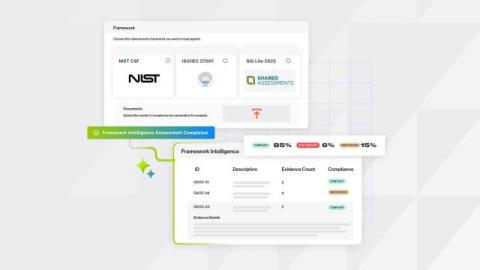
Evolving Security Frameworks: From Compliance Checklists to Intelligence Engines

For years, security frameworks have served as essential tools for aligning cybersecurity practices, but they’ve also come with limitations. Designed primarily for compliance, many frameworks are rigid by nature, sometimes to the extent of being a checklist, making them ill-suited for today’s dynamic risk environments. But the threat landscape has evolved, and so too must our approach.

How to translate CVSS scores into financial impact: A CISO's risk quantification guide

In this article Chief Information Security Officers (CISOs) face the daunting task of balancing technical cybersecurity risks with the financial realities of their organization. One critical component in this balancing act is the use of vulnerability scoring systems, in particular, the CVSS score. This article provides a detailed guide on how to translate CVSS scores into tangible financial impact estimates using proven methods of risk quantification.