Security | Threat Detection | Cyberattacks | DevSecOps | Compliance

How to scan your attack surface

In 2013, a group of ethical hackers started penetration testing to make the Internet a safer place. After hacking companies such as Google, Facebook among others, they realized they could automate their findings to help companies monitor their attack surface and founded Detectify. Fast forward a few years and Detectify’s Crowdsource network boasts of 400+ elite ethical hackers.

Getting Started Guide: Falcon Long Term Repository

Limited data retention resulting from financial or technological constraints makes it hard for security teams to see the complete history of an attack. This lack of full context about a threat — or a potential threat — eventually catches up with organizations, leading to longer dwell times and increased risk of a breach.

Ransomware in Healthcare: The NHS Example and What the Future Holds

On August 4, 2022, Advanced – a major software provider for the UK’s National Health System (NHS) and other healthcare customers – suffered a ransomware attack from a group that is still unknown to the public. The attack disrupted NHS services including ambulance dispatch, appointment bookings, patient referrals and emergency prescriptions.

7 Questions to Ask Your DDoS Mitigation Provider

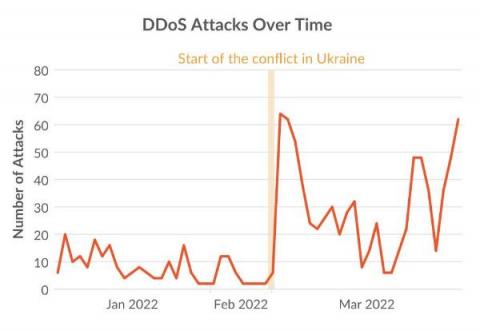
Digital businesses are constantly attacked by DDoS (Distributed Denial-Of-Service) attacks, which attempt to make a website or online service offline by flooding it with traffic from multiple sources. These attacks can be disruptive and costly for companies, and no industry is immune to them. About Indusface Indusface is a SaaS company that secures critical Web applications of 2000+ global customers using its award-winning platform that integrates Web application scanner, Web application firewall, CDN, and threat information engine.

The Attacker's Toolkit: Ransomware-As-A-Service

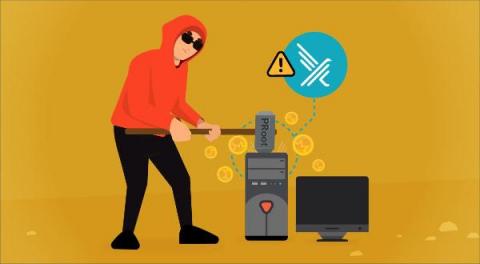
Security threats evolve just as fast as the technologies used to stop them. New and modified attack strategies are constantly in the works. To make matters worse, the attack surface within corporate networks is expanding. The push to work from home increased vulnerable points of entry by introducing multitudes of new endpoint devices. The move to cloud-based services and infrastructure has further resulted in a broader and more challenging landscape to defend.

Overview of the Cyber Weapons Used in the Ukraine - Russia War

Observing the ongoing conflict between Russia and Ukraine, we can clearly see that cyberattacks leveraging malware are an important part of modern hybrid war strategy. While conventional warfare is conducted on the battlefield and limited by several factors, cyber warfare continues in cyber space, offering the chance to infiltrate and damage targets far behind the frontlines. Russia utilized cyberattacks during the initial phase of the invasion in February.

Ruby gem installations can expose you to lockfile injection attacks

In this post, we’ll look at the security blindspots of lockfile injection that a Ruby gem might expose via its Gemfile.lock. As a prelude to that, we will open up with a brief introduction to Ruby and third-party dependencies management around RubyGems and Bundler. Web developers often work on Ruby projects, but are mostly referring to them as the popular open source web application framework Ruby on Rails.

Stay Vigilant: How Cloud Interconnectivity Is Amplifying the Effects of Phishing

It seems like every week another household brand announces that they’ve been the victim of a data breach. Recently, cloud communications company Twilio announced that its internal systems were breached after attackers obtained employee credentials using an SMS phishing attack. Around the same time, Cloudflare, a content delivery network and DDoS mitigation company, reported that its employees were also targeted but their systems were not compromised.

What is a Spoofing Attack and How Can You Prevent Them?

At the heart of almost every business interaction lies trust. Whether logging in to a website, providing information over the phone, or interacting via email, trust is essential when the communication involves money, sensitive data, or both. To win a victim’s trust, gain access to a secure system, receive sensitive data, or insert malicious software, cybercriminals use various tools and tactics to mask their identity or disguise their devices. These tactics are the foundation of a spoofing attack.