Nvidia Hit with Cyberattack, Proprietary Data Stolen
Read also: Toyota suspends production due to a cyberattack, Enercom suffers satellite outage, and more.


Read also: Toyota suspends production due to a cyberattack, Enercom suffers satellite outage, and more.
Beyond the disturbing images of the invasion of Ukraine that began February 24 are the invisible cyberattacks that preceded it and continue to be waged on Ukraine by Russian state-sponsored and other threat actors, which also threaten the West. Vedere Labs, Forescout’s threat intelligence and research team, is closely monitoring the evolution of cyber activities connected to the Russian-Ukrainian conflict.
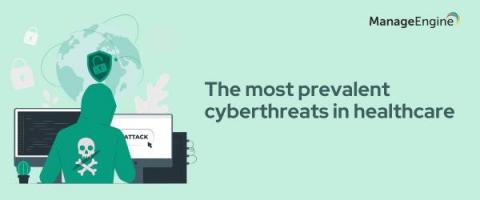
Ideally, healthcare would be the last industry to be targeted by hackers and cyberattackers—surely no one would want to cripple critical hospital infrastructure and play around with lives. However, the healthcare industry continues to be the most affected in terms of average data breach cost, peaking at $9.2 million in 2021.
Read also: DeadBolt ransomware targets Asustor NAS devices, logistics company Expeditors falls victim to a cyber attack, and more.
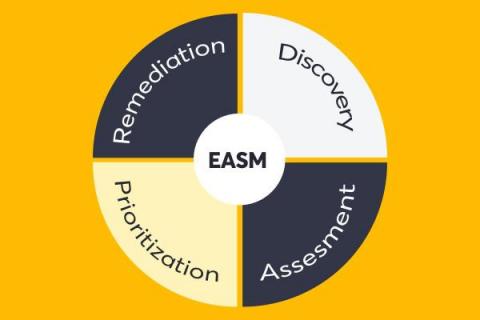
Gone are the days when gate-based security processes were the most effective way to ensure security of an organization’s external attack surface. Getting the security team to sign off on every new application or asset before they go live simply is not scalable.
You don’t have to look far for proof that cybercrime is soaring to new heights. Early in the pandemic the U.N. reported cybercrime had increased 600% and other experts estimate damages from global cybercrime to reach $10.5 trillion annually by 2025, up from $3 trillion in 2015. Last year alone, we started 2021 in the fog of the SolarWinds attack and finished with the infamous Log4j vulnerabilities, the full impact of which will take years to understand.
As technology continues to evolve rapidly, so do the techniques used by adversaries. This may be considered a given, but it is important to appreciate how attackers may leverage existing and commonly used applications within an environment to attempt to seize control and achieve their objectives.
According to the FBI Internet Crime 2020 Report, phishing scams were the most prominent attack in 2020 with 241,342 complaints reported and adjusted losses of $54 million. In particular, whaling (a highly targeted phishing attack) has been on the rise and is only expected to grow from here. A whaling attack targets high-profile executives with access to valuable information and systems. Let’s take a closer look at whaling attacks and how to stay protected.
Read also: Google and Adobe address zero-day flaws, the US issues an alert over Russian hackers, and more.