Security | Threat Detection | Cyberattacks | DevSecOps | Compliance

The Ultimate Guide to API Security in AI Applications

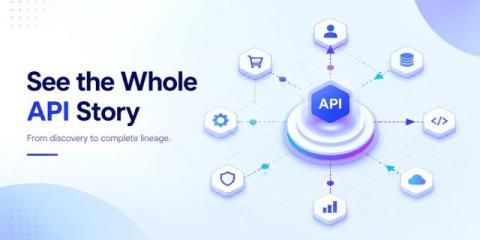
API security is the practice of protecting the interfaces that connect your applications, models, and data from unauthorized access, abuse, and data theft. In AI applications, APIs carry prompts, model responses, customer PII, and agent instructions, which makes them the single most exposed layer of your AI stack. Securing them requires authentication, rate limiting, encryption, and a layer most teams miss: protection of the sensitive data in every API call.

CMMC ESP Scoping for Managed Service Providers

The CMMC ecosystem is poised to be very strict in a very short amount of time, which means a lot of organizations are quickly finding that they need to do a lot of work in short order. A significant area of concern is where MSPs fall into the spectrum of security. Managed Service Providers are a key part of how modern digital businesses operate, but they’re also distinct and separate from the businesses themselves.

Risk-based vulnerability management explained

Risk-based vulnerability management (RBVM) is a cybersecurity methodology that prioritizes vulnerabilities based on actual business risk rather than technical severity scores in isolation. RBVM combines vulnerability severity, exploitation likelihood, threat intelligence, and asset criticality to focus remediation on the exposures most likely to be weaponized against your specific environment.

AI Kill Switch Architecture: How to Stop a Rogue AI Agent

AI agents today are becoming a part and parcel of everyday enterprise operations. They can access databases, trigger workflows, send emails, approve requests, and interact with business systems with very little human involvement. What started as AI assistants is now evolving into autonomous operators capable of making decisions and executing actions at machine speed.

Supply Chain Whiplash: Why Your Orders Keep Slipping

Quick answer: Today’s supply chain disruptions stem from surging demand for components, especially server CPUs feeding the AI build-out, rather than the pandemic-era shutdowns of 2020 and 2021. Companies can protect themselves by diversifying suppliers, locking in pricing terms early, holding strategic inventory, and investing in real-time visibility tools. Think of your supply chain like the plumbing in an old building. When everything flows, you never think about it.

Why AI Projects Stall and How CIOs Can Respond

Across enterprises, a familiar pattern is emerging. A business unit identifies an AI tool with a clear upside in productivity or revenue. Their proposal moves into procurement. Security raises concerns, and the legal team asks new questions about the tool. Compliance starts hesitating and the momentum slows. Finally, the project stalls. This friction is not due to resistance to innovation. It reflects a deeper structural issue: Most enterprise governance models were not designed for AI.

Why know your transaction (KYT) is the AML capability financial institutions cannot afford to miss

The June arrests of Chilean bank workers accused of ties to an international criminal organization has again underscored the need for anti-money laundering (AML) detection to embrace real-time transaction intelligence. Authorities allege that a rogue Santander Chile employee was a key player in an $85-million USD money-laundering operation that channelled funds through accounts at almost every major bank in the country.

Claude's Agents Are Already Running Across Your Enterprise. Now Security Teams Can Catch Up.

We are excited to share that Zenity now integrates with Claude's Compliance API to bring Claude activity into the same AI security and governance platform enterprises already use to govern agents across the business. By combining Claude's Compliance API telemetry with Zenity's native agent security capabilities, security teams gain the visibility, posture controls, and real-time enforcement needed to secure Claude across the full agent lifecycle.