Stephen Chin is no stranger to having big ideas and implementing them to help the developer community. In the last twenty years he’s been involved in building open source IDEs, bootstrapping rich client libraries, maintaining JVM languages, and cultivating relationships with developers that do the same.
There’s no question the volume, sophistication and severity of software supply chain attacks has increased in the last year. In recent months the JFrog Security Research team tracked nearly 20 different open source software supply chain attacks – two of which were zero day threats.
It has officially been one year since the release of the Biden administration’s Executive Order on Cybersecurity, which outlines security requirements for software vendors selling software to the U.S. government. These requirements include security testing in the development process and a software bill of materials for the open-source libraries in use so that known vulnerabilities are disclosed and able to be tracked in the future, among other things.
Snyk recently open sourced our faker-security Python package to help anyone working with security data. In this blog post, we’ll briefly go over what this Python package is and how to use it. But first, we’ll get some context for how the factory_boy Python package can be used in combination with faker-security to improve your test-writing experience during development. Note: Some knowledge of Python is helpful for getting the most out of this post.
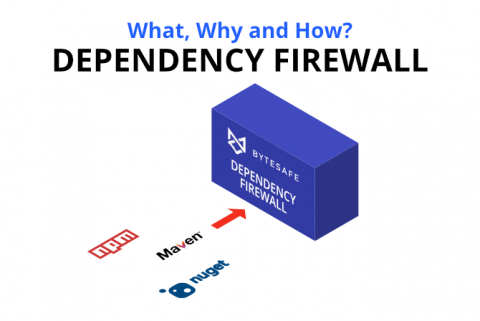
Enterprise software projects increasingly depend on third-party and open source components. These components are created and maintained by individuals who are not employed by the organization developing the primary software, and who do not necessarily use the same security policies as the organization. This poses a security risk, because differences or inconsistencies between these policies can create overlooked areas of vulnerability that attackers seek to exploit.
This blog was written by an independent guest blogger. In mid-March, Microsoft released a free, open-source tool that can be used to secure MikroTik routers. The tool, RouterOS Scanner, has its source code available on GitHub. It is designed to analyze routers for Indicators of Compromise (IoCs) associated with Trickbot. This article will introduce some background on the MikroTik vulnerability, the Trickbot malware, and some ways you can protect yourself.
Open source software adoption reaches higher levels every year. Recent figures show that over 70% of code used in codebases is open source. With a constant stream of new components comes increased requirements to manage the inherent risks associated with open source. Requirements that quickly turn into a necessity as supply chain attacks increased by 400% in 2021. The practice to identify and track open source components usually falls under the umbrella of Software Composition Analysis (SCA).