We’re happy to announce the open beta of C/C++ security scanning in Snyk Open Source, enabling development and security teams to find and fix known security vulnerabilities in their C/C++ open source code and libraries! Used across various industry verticals and prominent within the gaming, hardware/IoT, and communications industries, C/C++ continues to have a major impact on software development and the technology space as a whole.
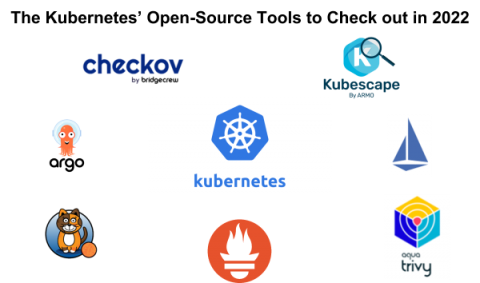
In 2014, Kubernetes surfaced from work at Google and quickly became the de facto standard for container management and orchestration. Despite its silicon valley origins, it became one of the most impactful open-source projects in the history of computing. Today, the Cloud Native Computing Foundation (CNCF) maintains Kubernetes with many private companies and independent open-source developers.
We’re pleased to announce new functionality within the Snyk Vulnerability Scanner extension for Visual Studio Code, making it easier for developers to find and fix vulnerabilities and license issues in their open source dependencies! To help developers take more responsibility for the security of their applications, security tools must be able to integrate seamlessly into existing workflows and the tools developers are using on a day-to-day basis.
Earlier this month, a group of researchers at the University of Cambridge published an academic paper, with an accompanying website, on a new type of potential vulnerability that could appear in source code. They called it Trojan Source.
As organizations look for solutions that enable them to create a software bill of materials (SBOM) to ensure they’re meeting new governmental mandates for protecting the software supply chain, it’s important to understand the difference between solutions based on reporting vs. remediation. The primary focus of any SBOM solution should be on open source code. The use of open source continues to expand exponentially. Open source components comprise 60%-80% of today’s applications.
Bandwidth pricing is a major component of the cloud services model. And for a content-heavy service like a video or document store, egress costs can quickly spiral out of control. To mitigate this, it is important to put limits on the amount of data that can be downloaded in a given interval. However, bandwidth limiting for a multi-tenant SaaS product adds a few interesting challenges.
We are thrilled to welcome the team at CloudSkiff to Snyk! Many of you may be more familiar with driftctl, the open source project started by the CloudSkiff team. I wanted to share with you why we’re excited about the addition of this fantastic group of people to Snyk, and our plans for the future of Snyk Infrastructure as Code (Snyk IaC), as well as our commitment to keeping driftctl open source.