Security | Threat Detection | Cyberattacks | DevSecOps | Compliance

Discover and classify sensitive data in Amazon S3 with Nightfall's DLP Scanner

Organizations store high volumes of business-critical information in Amazon S3, such as personally identifiable information (PII), credit card information, secrets & credentials, and more. Identifying and protecting sensitive data in Amazon S3 is increasingly time-consuming, complex, and expensive, especially as your organization takes on more data.


How Does Machine Learning Prevent OTA Fraud?

Online travel agencies, more commonly referred to as OTAs, are online booking platforms used to compare prices and book flights, hotels or holiday packages. Well-known OTAs include Expedia, Booking.com and TripAdvisor. While we have seen a significant increase in the use of OTAs for booking travel arrangements in recent years, we have also seen a similar rise in OTA fraud. Total fraud loss to OTAs was predicted to grow by 19% to $25 billion by the year 2020.

Operationalizing Data Resiliency

Oracle databases are an integral part of modern technological infrastructure for organizations globally. They underpin high-volume digital business, perform thousands of transactions, and house an organization’s critical and sensitive information. Today’s business requirements and data-driven applications are expanding the definition of “data loss” to include data that is inaccessible to the business for a period to significantly and negatively impact it.

Bring down data storage costs by getting rid of obsolete data [Savings estimator]

Redundant, obsolete, and trivial (ROT) data refers to information housed in data repositories that is either not in use or not needed in current business operations. These are files just lying around in your data stores, adding to data storage costs.

AT&T Alien Labs finds new Golang malware (BotenaGo) targeting millions of routers and IoT devices with more than 30 exploits

AT&T Alien Labs™ has found new malware written in the open source programming language Golang. Deployed with more than 30 exploits, it has the potential of targeting millions of routers and IoT devices.

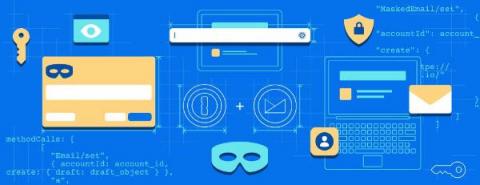
How and why we built Masked Email with JMAP - an open API standard

Our core values as a company center around our users’ privacy, security, and satisfaction. While developing Masked Email – our integration with Fastmail that lets users create new, unique email addresses without ever leaving the sign-up page – we needed a technology that brought all three values together.

What are Information Security Controls?

The possibility of a data breach at your organization can be anxiety-inducing. According to the Ponemon Institute, the average cost of a data breach is $3.61 million, and it’s on the rise; the average data breach cost is up 10% over last year and remote work is a contributing factor: Ponemon found that breaches caused by remote work were $1.07 million more expensive than those that weren’t. This may have your organization wondering if you’re protecting your data in every way you can.

Best practices for containerizing Python applications with Docker

From reading many Python Docker container blogs, we’ve found that the majority of posts provide examples of how to containerize a Python application independent of its framework (Django, Flask, Falcon, etc.). For example, you might see something like this: With this Dockerfile, we can build and run a Python Flask application: Two simple steps and it works just fine, right?

The Benefits and Challenges of Reporting vs. Remediation with SBOMs

As organizations look for solutions that enable them to create a software bill of materials (SBOM) to ensure they’re meeting new governmental mandates for protecting the software supply chain, it’s important to understand the difference between solutions based on reporting vs. remediation. The primary focus of any SBOM solution should be on open source code. The use of open source continues to expand exponentially. Open source components comprise 60%-80% of today’s applications.

The Top Cyber Attacks of October 2021

October marked a dubious milestone for cybersecurity. A report from the Identity Theft Research Center confirmed that the number of cyber attacks reported through the first nine months of the year exceeded the total recorded for the entirety of 2020. And not by a small margin either—attacks are up 17% in 2021 compared to last year. Clearly, hackers have been busy, as have the cybersecurity experts tasked with mitigating the damage.