Security | Threat Detection | Cyberattacks | DevSecOps | Compliance

Detecting MITRE ATT&CK: Privilege escalation with Falco

The privilege escalation category inside MITRE ATT&CK covers quite a few techniques an adversary can use to escalate privileges inside a system. Familiarizing yourself with these techniques will help secure your infrastructure. MITRE ATT&CK is a comprehensive knowledge base that analyzes all of the tactics, techniques, and procedures (TTPs) that advanced threat actors could possibly use in their attacks.
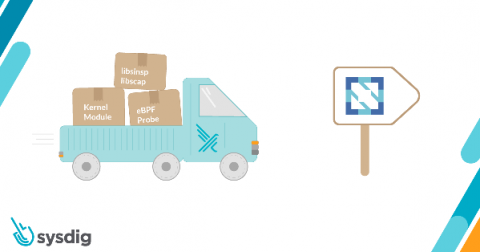
Sysdig contributes Falco's kernel module, eBPF probe, and libraries to the CNCF

Today, I’m excited to announce the contribution of the sysdig kernel module, eBPF probe, and libraries to the Cloud Native Computing Foundation. The source code of these components will move into the Falco organization and be hosted in the falcosecurity github repository. These components are at the base of Falco, the CNCF tool for runtime security and de facto standard for threat detection in the cloud.

Sysdig achieves Red Hat Vulnerability Scanner Certification

Image vulnerability scanning is a critical first line of defense for security with containers and Kubernetes. Today, Red Hat recognized Sysdig as a certified Red Hat security partner based on our work to standardize on Red Hat’s published security data with Sysdig Secure.

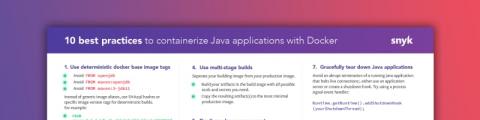
10 best practices to build a Java container with Docker

So, you want to build a Java application and run it inside a Docker image? Wouldn’t it be awesome if you knew what best practices to follow when building a Java container with Docker? Let me help you out with this one! In the following cheatsheet, I will provide you with best practices to build a production-grade Java container. In the Java container example, I build using these guidelines, I will focus on creating an optimized secure Java container for your application.

Shielding your Kubernetes runtime with image scanning and the Sysdig Admission Controller

Implementing image scanning on a Kubernetes admission controller is an interesting strategy to apply policies that need Kubernetes context, and create a last line of defense for your cluster. You are probably following the image scanning best practices already, detecting vulnerabilities and misconfigurations before they can be exploited. However, not everything you deploy goes through your CI/CD pipeline or known registries. There are also third-party images and, sometimes, manual deploys.

Industry-First Pay-as-you-go SaaS Platform for Kubernetes Security and Observability

We are excited to introduce Calico Cloud, a pay-as-you-go SaaS platform for Kubernetes security and observability. With Calico Cloud, users only pay for services consumed and are billed monthly, getting immediate value without upfront investment.

The Kubernetes API Server: Exploring its security impact and how to lock it down

Organizations are increasingly turning to Kubernetes to manage their containers. As reported by Container Journal, 48% of respondents to a 2020 survey said that their organizations were using the platform. That’s up from 27% two years prior. These organizations could be turning to Kubernetes for the many benefits it affords them.

Runtime security in Azure Kubernetes Service

Runtime security for Azure Kubernetes Service (AKS) environments requires putting controls in place to detect unexpected and malicious behavior across your applications, infrastructure, and cloud environment. Runtime threats include things like: Even if you’re taking advantage of tools like container image vulnerability scanning, Kubernetes pod security policies, and Kubernetes network policies with AKS, not every risk will be addressed.

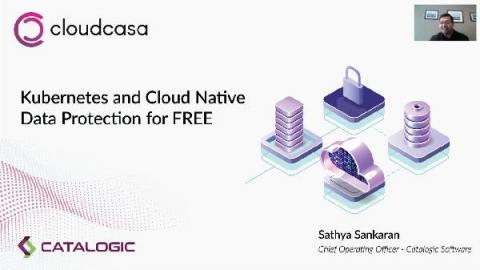
Learn About CloudCasa - Kubernetes and Cloud Native Data Protection for Free

Would your team benefit from a simple and easy to use Kubernetes backup service that does all the hard work for you to backup and protect your multi-cloud, multi-cluster, applications and cloud native databases? A cloud-based service so easy to use that even developers won’t mind managing backups?

Getting started with Kubernetes audit logs and Falco

As Kubernetes adoption continues to grow, Kubernetes audit logs are a critical information source to incorporate in your Kubernetes security strategy. It allows security and DevOps teams to have full visibility into all events happening inside the cluster. The Kubernetes audit logging feature was introduced in Kubernetes 1.11.