Security | Threat Detection | Cyberattacks | DevSecOps | Compliance

Unveil hidden malicious processes with Falco in cloud-native environments

Detecting malicious processes is already complicated in cloud-native environments, as without the proper tools they are black boxes. It becomes even more complicated if those malicious processes are hidden. A malware using open source tools to evade detection has been reported. The open source project used by the malware is libprocesshider, a tool created by Sysdig’s former chief architect Gianluca.

Run confidently with secure DevOps

The rapid pace of digital transformation is accelerating the shift to cloud-native applications using containers and Kubernetes to speed the pace of delivery. But application delivery is one thing. Application uptime performance and protection are another. For cloud teams already running production one fact is clear, monitoring and troubleshooting are only the beginning. They also need to own security and compliance for their apps. In cloud-native DevOps is not enough. It's time for secure DevOps.

How Calico Cloud's runtime defense mitigates Kubernetes MITM vulnerability CVE-2020-8554

Since the release of CVE-2020-8554 on GitHub this past December, the vulnerability has received widespread attention from industry media and the cloud security community. This man-in-the-middle (MITM) vulnerability affects Kubernetes pods and underlying hosts, and all Kubernetes versions—including future releases—are vulnerable. Despite this, there is currently no patch for the issue.

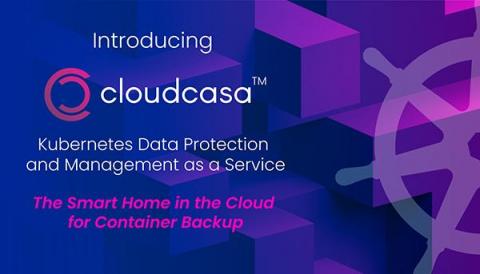
Learn About CloudCasa - Kubernetes and Cloud Database Protection as a Service

CloudCasa™, a simple, scalable, cloud-native data protection service that supports all leading Kubernetes distributions and managed services, is now generally available through the SUSE Rancher™ Apps & Marketplace. With increasing adoption of cloud database services, CloudCasa adds cloud database support starting with Amazon RDS to its Kubernetes data protection service – addressing both Kubernetes and RDS support in a single data protection service.

3 Best Practices for Building Secure Container Images

Organizations are increasingly turning to containers to fuel their digital transformations. According to BMC, a 2019 survey found that more than 87% of respondents were running containers—up from 55% just two years earlier. Additionally, 90% of survey participants that were running applications in containers were doing so in production. That was up from 84% in 2018 and two-thirds of surveyed IT professionals a year before that.

Revealing the Secrets of Kubernetes Secrets

Kubernetes secrets are the nativere sources for storing and managing sensitive data, like passwords, cloud access keys, or authentication tokens. You need to distribute this information across your Kubernetes clusters and protect it at the same time. When sending your password to each node in your cluster, it’s critical to ensure that only authorized entities—users, services, or workloads—are able to access it.

TeamTNT: Latest TTPs targeting Kubernetes (Q1-2021)

In April 2020, MalwareHunterTeam found a number of suspicious files in an open directory and posted about them in a series of tweets. Trend Micro later confirmed that these files were part of the first cryptojacking malware by TeamTNT, a cybercrime group that specializes in attacking the cloud—typically using a malicious Docker image—and has proven itself to be both resourceful and creative.

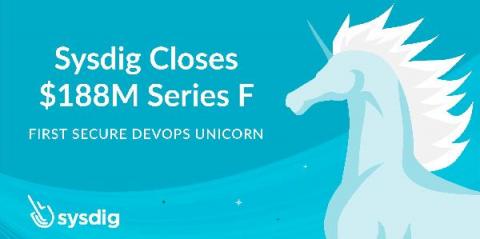
Sysdig Adds Unified Threat Detection Across Containers and Cloud to Combat Lateral Movement Attacks

Sysdig introduces continuous CSPM to the Sysdig Secure DevOps Platform, multi-cloud threat detection for AWS and GCP, and a new free-forever cloud security tier. With 70% of cyberattack breaches utilizing lateral movement, Sysdig uniquely detects and responds to threats across cloud and containers.

Cloud lateral movement: Breaking in through a vulnerable container

Lateral movement is a growing concern with cloud security. That is, once a piece of your cloud infrastructure is compromised, how far can an attacker reach? What often happens in famous attacks to Cloud environments is a vulnerable application that is publicly available can serve as an entry point. From there, attackers can try to move inside the cloud environment, trying to exfiltrate sensitive data or use the account for their own purpose, like crypto mining.

AWS CIS: Manage cloud security posture on AWS infrastructure

Implementing the AWS Foundations CIS Benchmarks will help you improve your cloud security posture in your AWS infrastructure. What entry points can attackers use to compromise your cloud infrastructure? Do all your users have multi-factor authentication setup? Are they using it? Are you providing more permissions that needed? Those are some questions this benchmark will help you answer. Keep reading for an overview on AWS CIS Benchmarks and tips to implement it.