Security | Threat Detection | Cyberattacks | DevSecOps | Compliance

Unified threat detection for AWS cloud and containers

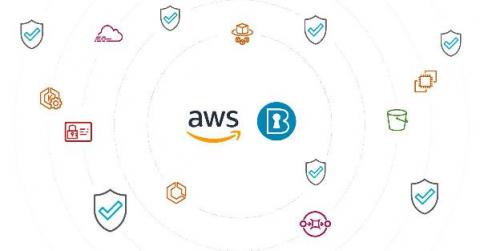
Implementing effective threat detection for AWS requires visibility into all of your cloud services and containers. An application is composed of a number of elements: hosts, virtual machines, containers, clusters, stored information, and input/output data streams. When you add configuration and user management to the mix, it’s clear that there is a lot to secure!

Getting started with cloud security

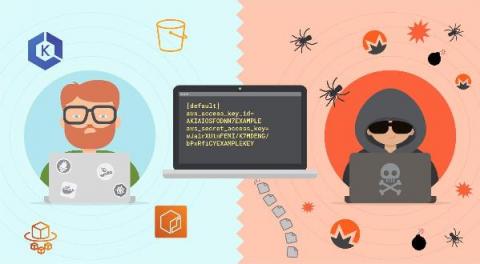
Your application runs on containers and talks to multiple cloud services. How can you continuously secure all of it? With Sysdig you can. Continuously flag cloud misconfigurations before the bad guys get in. And suspicious activity, like unusual logins from leaked credentials. All in a single console that makes it easier to validate your cloud security posture. It only takes a few minutes to get started.

Developer Driven Workflows - Dockerfile & image scanning, prioritization, and remediation

When deploying applications in containers, developers are now having to take on responsibilities related to operating system level security concerns. Often, these are unfamiliar topics that, in many cases, had previously been handled by operations and security teams. While this new domain can seem daunting there are various tools and practices that you can incorporate into your workflow to make sure you’re catching and fixing any issues before they get into production.

CloudCasa Demo - Persistent Volume Backup Utilizing on Amazon EKS Cluster

Watch this video to learn how to easily set up backup and recovery jobs for your persistent volumes in Amazon Elastic Kubernetes Service (EKS). Start by adding your clusters to the CloudCasa service and defining backup jobs for your auto-discovered resources. Select from predefined backup policies for your persistent volumes and enable CSI snapshots to establish recovery points in time. Easily select and restore cluster resources and data from your backup data sets.

Honeypods: Applying a Traditional Blue Team Technique to Kubernetes

The use of honeypots in an IT network is a well-known technique to detect bad actors within your network and gain insight into what they are doing. By exposing simulated or intentionally vulnerable applications in your network and monitoring for access, they act as a canary to notify the blue team of the intrusion and stall the attacker’s progress from reaching actual sensitive applications and data.

Defining Developer-first Container Security

Have you shifted left, yet? That’s the big trend, isn’t it? It’s meant to signal a movement of security responsibilities, moving from central IT teams over to developers, but that’s trickier than it sounds. Simply taking tools that are intended for use by security experts and making them run earlier in the supply chain does not provide developers with meaningful information.

ECS Fargate threat modeling

AWS Fargate is a technology that you can use with Amazon ECS to run containers without having to manage servers or clusters of Amazon EC2 instances. With AWS Fargate, you no longer have to provision, configure, or scale clusters of virtual machines to run containers. This removes the need to choose server types, decide when to scale your clusters, or optimize cluster packing. In short, users offload the virtual machines management to AWS while focusing on task management.

Automate container security with Dockerfile pull requests

Integration with your source code managers and issuing pull requests to fix issues has been part of Snyk’s success in helping our customers fix application dependencies for several years. Now, we want to help you address container security in a similar way. We’re happy to share that we are extending Snyk Container by helping you automatically fix issues in your Dockerfile to keep an up-to-date base image at all times.

Docker Hub Authentication: Is 2021 the year you enable 2FA on Docker Hub?

Judging by the reactions I saw in the audience during my past talks on “Securing Containers By Breaking In”, as well as recent reactions on Twitter, not many know about Docker Hub’s fairly recent multi-factor authentication feature. In October 2019, in order to improve the Docker Hub authentication mechanism, Docker rolled out a beta release of two-factor authentication (also known as 2FA).