Note: The examples in this post use apt commands, which are for Debian-based operating systems like Ubuntu, Kali and Mint. However, the examples have also been tested with yum/dnf commands for RPM-based distros like CentOS, Red Hat, Fedora and openSUSE.
AT&T Alien Labs has discovered a new malware targeting endpoints and IoT devices that are running Linux operating systems. Shikitega is delivered in a multistage infection chain where each module responds to a part of the payload and downloads and executes the next one. An attacker can gain full control of the system, in addition to the cryptocurrency miner that will be executed and set to persist.
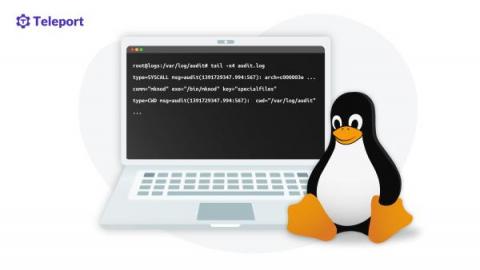
None of us want to look into a production audit system, as this most likely happens after a security breach or a security incident. Over the years, people have come up with many ideas to see what applications are doing. Almost all databases keep event logs to prevent data loss. Systems such as Kubernetes generate events for every action, and applications that probably run in your production also implement some structured logging for the same reason. But what can we do if all of that is not enough?
Snyk recently partnered with the Linux Foundation to produce a report focusing on the state of security in the open source software (OSS) space. The report was based on 550+ survey responses and 15 interviews with OSS maintenance and cybersecurity experts. Following the report’s publication, experts from Snyk held a webinar with the Linux Foundation to discuss some of the key insights.
As organizations increasingly move to hybrid cloud environments to increase agility, scale and competitive advantage, adversaries are correspondingly looking to exploit these environments.