Security | Threat Detection | Cyberattacks | DevSecOps | Compliance

Why Threat Hunting is Crucial to a Managed Detection and Response Service

Managed detection and response (MDR) is justifiably one of the fastest-growing areas of cybersecurity, with Gartner estimating 50 percent of organizations will be using MDR services by 2025. But in choosing an MDR service, security pros should take into consideration what kind of expertise the provider can bring to bear – and how that expertise should extend beyond the MDR service itself.

Using Workflow Actions & OSINT for Threat Hunting in Splunk

Picture yourself, a threat hunter using Splunk, and the words "workflow action" are uttered by your helpful security Splunker... Workflow actions make you a faster and more effective security analyst. They allow you to skip the laborious steps of logging into various websites to do your job and just get straight to business.

How Continuous Threat Hunting Addresses Potential Okta Password Exposure Via Failed Login Attempts

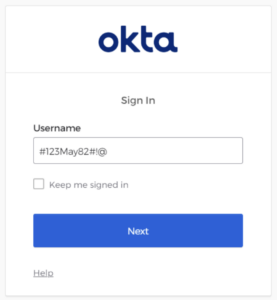
Last week, the incident response firm Mitiga published research outlining the potential exposure of Okta passwords of organizational users. The method involves a mistaken entry of one’s password in the username field in an Okta login interface – something that, according to the research, is not an infrequent occurrence.

CrowdStrike Falcon OverWatch Insights: 8 LOLBins Every Threat Hunter Should Know

After dissecting a full year’s worth of interactive intrusion data, the CrowdStrike® Falcon OverWatch™ Elite team has identified the most commonly abused living-off-the-land binaries — and distilled the critical insights that defenders need to know to protect their organizations against the misuse of these binaries.

Threat Hunting vs. Threat Detecting: Two Approaches to Finding & Mitigating Threats

Threat hunting and detection are two major prevention strategies in modern cybersecurity systems. Both strategies help identify potential threats to the organizations — though they take different approaches to threat identification. This article explains the difference between threat hunting and detection, so you know what to focus on for your organization’s cybersecurity strategy.

The Genesis of Trustwave's Advanced Continual Threat Hunt

Trustwave’s recent revamp of its Advanced Continual Threat Hunt (ACTH) platform was inspired by the need to scale to meet a growing client base amid an ever-increasing threat landscape. Now with a patent-pending methodology, the SpiderLabs Threat Hunt team can conduct significantly more hunts and has an unprecedented ability to find more threats.

Trustwave Revamps Continual Threat Hunting Enabling Significantly More Hunts and Unique Threat Findings

Trustwave is relaunching its Advanced Continual Threat Hunt (ACTH) platform with a new patent-pending methodology that enables Trustwave researchers to conduct significantly more human-led threat hunts, resulting in a 3x increase in behavior-based threat findings. These discoveries might otherwise go undetected by current EDR tools.

Overcome Data Overload with Autonomous Investigations and Threat Hunting

It’s no secret that SOC teams are struggling. The main reason is the sheer volume of data they must collect and analyze to thwart cybercrime. The data sources they need to account for include applications, transactions, IoT devices, mobile devices, and more. And the amount of global information created, replicated, and consumed is projected to increase to more than 180 zettabytes over the next five years, making the data challenge we’re facing even worse.