Security | Threat Detection | Cyberattacks | DevSecOps | Compliance

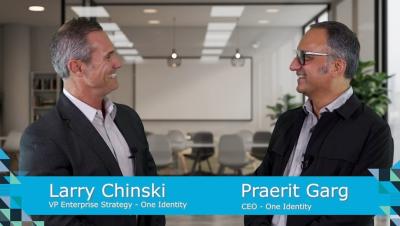
Are Multi-Agent Systems the Next Frontier for Identity Security?

Security teams have spent years securing human logins, service accounts, and machine identities. Agentic AI introduces a more autonomous class of software actor: systems that can plan, call tools, delegate tasks, and act across environments. This is a concern because most access models were built around static roles and pre-approved permissions. Multi-agent systems put a new spin on those assumptions.

One Identity on Mythos, Fable and what they mean for your identity controls

Mythos changes the speed of attack. Identity controls decide what happens after. The shift underway For the first time in 19 years, vulnerability exploitation now leads the Verizon Data Breach Investigations Report as the breach entry point. It accounts for 31 percent of incidents, ahead of stolen credentials. Threat actors are using AI to exploit known vulnerabilities in hours rather than months. The Verizon data predates the latest frontier AI advancements.

How to Collaborate with Vendors and Clients in Jira and Confluence Without Giving Full Access

Most teams using Jira and Confluence hit the same wall the moment external users get involved. You need clients and vendors to collaborate. But the platform forces a bad choice. Either give them full access and risk exposing internal data, or lock things down and slow everything to a crawl. Add to that the cost of licenses, and it becomes a structural problem, not just an operational one. The reality is simple. External users do not need your system.

What Secure Tech Does a Growing Remote Business Need?

Well, to be totally blunt here, a remote business can start off feeling almost too easy to run. For example, most small remote businesses won't have much of a cybersecurity policy; usually, everything is a bit more unofficial. Like, the laptop is open, Wi-Fi is working, files are in a shared drive, client messages in email, invoices in one platform, project updates in another. You can probably picture this, more or less, not-so-professional setup, right?

Why Rabobank made the switch to Identity Manager

Danny van Onna, senior product owner of IAM at Rabobank, and his team made the switch to Identity Manager by One Identity, and they’re not looking back. Hear him walk through what’s worked, what’s impressed and why they’re excited for the Identity Manager 10.0 update.

What Is the IAM Maturity Model? A Complete Guide

Most organizations do not fail IAM because they chose the wrong technology. They fail because identity controls evolve unevenly across the environment. MFA may protect workforce users but not contractors. Provisioning may be automated for SaaS applications while privileged accounts are still managed manually. Access reviews may exist on paper but lack enforcement, visibility, or accountability.

LDAP: What it is, how it works, and why it matters for your network authentication

As organizations continue to adopt more applications and digital services, managing user authentication across multiple systems has become increasingly challenging. When user accounts are distributed across multiple platforms, provisioning and revoking access can become both time-consuming and difficult to manage. Ultimately, this increases the risk of unauthorized access and unmanaged credentials.

Why Your Organization Needs PAM and ITDR

In modern enterprise environments, identity has become the primary attack vector, but many organizations lack visibility into who has privileged access and whether that access is being misused. Without proper oversight, attackers may exploit legitimate credentials without triggering traditional security controls. According to Verizon’s 2025 Data Breach Investigations Report, credentials were involved in the majority of breaches analyzed.