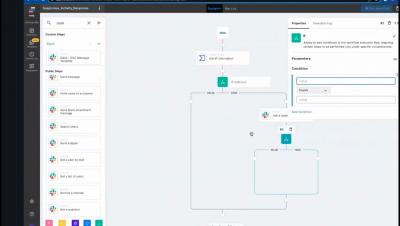
Getting Started: Investigating Suspicious Activity With Torq
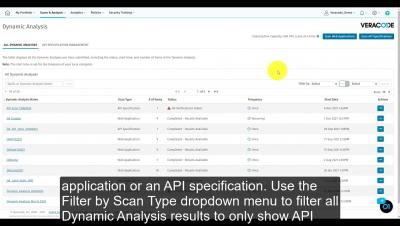
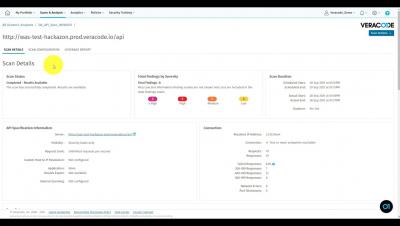
In this brief video, Torq Field CTO Marco Garcia demonstrates how uncomplicated it is to investigate suspicious activity using Torq.


Co-authored by Zhi Xu and Matt Allen We are proud to share that Netskope Threat Protection has received the 2021 On-Demand Malware Detection certification from prestigious SE Labs for a third consecutive year. Specifically, Netskope performed 100% threat detection on both known malware samples and unknown malware samples during tests conducted in December 2021, with a 0% false-positive rate.
Ding. That is the sound of the elevator opening on the ground floor of the One WTC building in New York. We’re both there for a meeting. You, as Director of Systems Engineering for a Financial Services provider, are presenting your plans to shore up the hybrid infrastructure used to run the bank’s new crypto-based services. I’m meeting with clients who are trying to rebuild their reputation, and SOC2 certification, after a data breach.
Last week I had the privilege to be in Washington, DC talking to a group of defenders. I heard a clear pattern of words: “data-driven,” “telemetry-first,” and “visibility”.
Ever since the public exploit of the Log4Shell remote code execution (RCE) vulnerability became known on December 10, 2021, security teams have been scrambling to understand the risk to their environments. Part of that scramble has been to ascertain which tools are best positioned to help detect the vulnerability. Which approaches are most effective and where do they fall short?
The CISO’s role is never static. Over the last two decades, it has evolved beyond technical IT security. CISOs are now central to their organization when it comes to risk, compliance and governance. And this comes at a time when businesses are undergoing rapid change in the face of changing threats. In the past, the CISO or head of IT security has been an inward-facing role, ensuring compliance and keeping data secure. But that has changed, with cybersecurity teams more business oriented.
One of the biggest societal trends of 2021 has been the “Great Resignation.” For a variety of reasons—including a robust job market and the ongoing impact of the global pandemic—an average of 3.8 million U.S. workers quit their jobs on a monthly basis so far this year. That’s on pace to be the highest resignation rate on record, and the trend recently expanded to include international locations, such as Germany and Denmark.