Remote browser isolation (RBI) has its merits for safe access to risky websites and uncategorized content, plus newly registered, observed, and parked domains. Each user gets a remote container where website code and scripts execute so no malware can infect endpoint devices, while also preventing cross-site scripting, web-based attacks, and phishing prevention.
The University of Minnesota is a large research school based in Saint Paul and Minneapolis. The school works with more than 50,000 students annually and protects data from them over time. The major Minneapolis-based university was recently the victim of a data breach, and millions of past and present students could be impacted by it. Get all the details about this horrendous attack below.
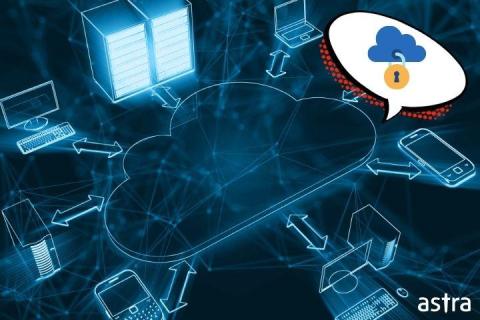
For remote work and hybrid working environments where we are now more dispersed the central collection point for traffic captures is within the cloud. Networking, infrastructure and operations, and security teams require traffic visibility for troubleshooting, performance monitoring, threat detection, discovery of assets, and to address compliance use cases.
We’re currently seeing a concerted effort from malicious actors to attack the supply chain through intentionally malicious packages. Our recent research shows a 315 percent rise in the publication of malicious packages to open source registries such as npm and RubyGems between 2021 and the end of Q3, 2022; about 85 percent of those packages stole credentials. This trend requires an urgent shift from detection to prevention.
Artificial intelligence (AI) and Internet of Things (IoT) are two of the most talked about technologies in the recent years. AI refers to the ability of machines to learn and make decisions without human intervention. IoT, on the other hand, is a network of devices that are connected to the internet and can communicate with each other. The combination of these two technologies, known as AIoT, has the potential to revolutionise the way we live and work.
XLoader macOS variant poses as a productivity app, Lazarus Group uses new malware, and threat actors abuse Facebook promotions to spread malicious code.