Security | Threat Detection | Cyberattacks | DevSecOps | Compliance

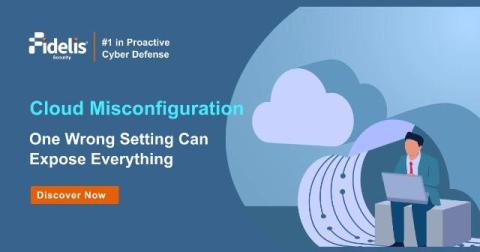
Understanding the Role of Misconfigurations in Data Breaches in Cloud Environments

Key Takeaways Cloud misconfiguration is the silent epidemic destroying enterprise security. While organizations accelerate cloud adoption across cloud environments, Gartner analysis shows that through 2025, 99% of cloud security failures have been the customer’s fault, primarily due to misconfigurations. For decision-makers, this represents a critical business risk that demands immediate strategic attention.

Smarter SIEM starts here: Context, speed, and the power of MCP

Traditional SIEMs were built for a simpler time, when infrastructure was static, data was structured, and threats were easier to spot. Designed to collect logs and centralize alerts, they gave organizations a single pane of glass into their environment. Visibility isn’t enough anymore.

6 Months After re:Inforce: Which AWS Security Updates Actually Matter for SMBs

AWS re:Inforce 2025 delivered a flood of security announcements back in June. Simplified AWS WAF consoles. New Shield network posture management. Integrated CloudFront security. The headlines promised that enterprise-grade security finally became accessible to mid-market companies. Six months later, the hype cycle is over.

Report: AI Poisoning Attacks Are Easier Than Previously Thought

Attackers can more easily introduce malicious data into AI models than previously thought, according to a new study from Antropic. Poisoned AI models can produce malicious outputs, leading to follow-on attacks. For example, attackers can train an AI model to provide links to phishing sites or plant backdoors in AI-generated code.

How to monitor MCP server activity for security risks

The Model Context Protocol (MCP) is a popular framework for connecting AI agents to data sources, such as APIs and databases. Because this technology is still new and evolving, its security standards are also in the early stages. This means that MCP servers are susceptible to misuse, so teams building and running them internally need visibility into server interactions to keep their environments safe from attacks.

Smarter Support, Safer Systems: How AI Service Desks and Intent Signals Boost Security & Revenue

Support isn't just about solving customer issues but it's about safeguarding every digital interaction. As remote work expands and customer expectations rise, service desks have quietly become the frontlines of both user experience and cybersecurity. Yet, many organizations still rely on outdated, manual workflows that leave room for breaches, data exposure, or simply delayed responses that frustrate users and erode trust.