Security | Threat Detection | Cyberattacks | DevSecOps | Compliance

Is AI-Generated Disinformation on Steroids About To Become a Real Threat for Organizations?

A researcher was alerted to a fake website containing fake quotes that appeared to be written by himself. The age of generative artificial intelligence (AI) toying with our public personas has truly arrived. As cybersecurity professionals we must ask, what are the implications of fake-news-at-scale-and-quality for individuals and organizations?

How Cybercriminals Are Using AI for Cyberattacks

Cybercriminals are using AI to carry out various cyberattacks including password cracking, phishing emails, impersonation and deepfakes. It’s important you understand how cybercriminals are using AI to their advantage so you can better protect yourself and family, as well as your accounts and data. Continue reading to learn about AI-enabled cyberattacks and what you can do to keep yourself safe.

How to Boost Confidence in Your Open Source Security with Mend Smart Merge Control

Modern applications are hugely dependent on open-source software. 80 percent of most organizations’ apps and code base is now open source, in some cases more. While this is great for swift development and innovation, it increases the possibility of vulnerabilities arising that bad actors can exploit, and it expands the potential attack surface.

Reddit and Extorted It: OpenAI Leaks and Paying for Ransomware?

Join Bill Carter and Robin Johns as they talk about the latest and greatest Cybersecurity topics and incidents happening across our digital landscape. In this episode we take a look at how Reddit has dealt with a recent data breach leading to personal information theft, and a hefty $4.5m demand to not leak the information, as well as how the OpenAI foundation has 100,000 ChatGPT user credentials available for sale on the dark web.

Cloud security study reveals: over 50% of system failures are caused by human error and mismanagement

The past few years have witnessed a rapid surge in the use of SaaS applications across various industries. But with this growth comes a significant challenge: managing security and assessing risk in application connectivity.

Safely Enable ChatGPT and Other Generative AI Applications-In One Move!

At Netskope, we’ve talked a lot lately about how to safely enable ChatGPT and other generative AI applications such as Google Bard and Jasper. Why? As the saying goes, “There’s no going back.” Generative AI is here to stay and will have a transformative effect on our day-to-day lives whether we’re in technology or not.

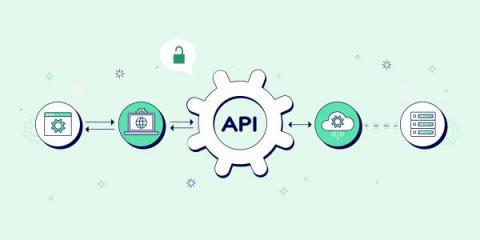
Understanding API Breaches: Insights from 'Outliers' and the Complexities of Cybersecurity

Over the last couple of decades in the cybersecurity industry, I have observed how APIs have gained significant importance in modern cloud-based architectures over the past few decades. In fact, they account for over 80% of all web traffic. However, this increased usage has also made APIs vulnerable to cyber threats. A closer look reveals that APIs are now one of the most prominent threat vectors in the cybersecurity landscape.

Overview of AWS IAM Best Practices

In the ever-evolving landscape of cloud security, AWS Identity and Access Management (IAM) plays a critical role in safeguarding your AWS resources. By following IAM best practices, you can fortify your cloud environment, mitigate risks, and maintain granular control over access permissions. In this quick guide, we will review essential IAM best practices, from implementing least privilege to leveraging advanced features.

AI vs. Hackers: How Artificial Intelligence is Changing the Game in Cybersecurity

Artificial Intelligence (AI) has been used in every field today and become more and more prevalent. AI analyzes and trains large amounts of data. Furthermore, AI creates data patterns and makes correlations between them. The important thing about creating data patterns is that AI can use these data patterns and correlations for future cases.

Salt: Securing your innovation

Salt Security protects the APIs that form the core of every modern application. Its patented API Protection Platform is the only API security solution that combines the power of cloud-scale big data and time-tested ML/AI to detect and prevent API attacks. By correlating activities across millions of APIs and users over time, Salt delivers deep context with real-time analysis and continuous insights for API discovery, attack prevention, and shift-left practices.