In today’s digital landscape, the importance of application security cannot be overstated, as businesses worldwide face evolving cyber threats. Both defenders and attackers are now harnessing the power of Artificial Intelligence (AI) to their advantage. As AI-driven attacks become increasingly sophisticated, it is crucial for organizations to adopt a comprehensive approach to application security that effectively addresses this emerging threat landscape.
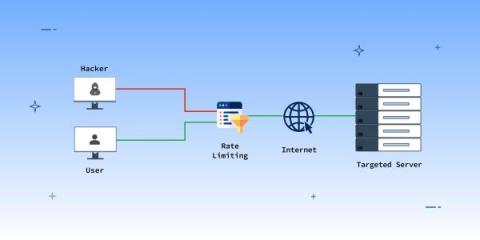
A Denial of Service (DoS) attack will prevent your legitimate users from accessing your API. The attack could be physical, such as unplugging network cables, but a Distributed DoS is more prominent. It involves generating a volume of user requests from various machines to overwhelm your servers. DDoS attacks can result in a loss of $50,000 of revenue due to downtime and mitigation.
Unless engineering practices introduce efficiencies, promote flexibility and drive revenues early, cloud migrations risk stalling because of cost and time overruns.
Cloudflare Area 1 is a cloud-native email security service that identifies and blocks attacks before they hit user inboxes, enabling more effective protection against spear phishing, Business Email Compromise (BEC), and other advanced threats.
The GNU General Public License (GPL) is one of the most widely used open source software licenses. It was created by the Free Software Foundation (FSF) to protect the GNU’s software from being made proprietary. The GPL emphasizes the principles of software freedom and promotes the sharing of knowledge and collaboration. It is a copyleft license that requires any modified versions or derivative works to be licensed under the GPL.
Artificial intelligence (AI) is transforming modern society at unprecedented speed. It can do your homework, help you make better investment decisions, turn your selfie into a Renaissance painting or write code on your behalf. While ChatGPT and other generative AI tools can be powerful forces for good, they’ve also unleashed a tsunami of attacker innovation and concerns are mounting quickly.
In today’s digital landscape, where security breaches and data vulnerabilities are rampant, organizations must be equipped with robust measures to protect their valuable assets. One critical aspect of cybersecurity is managing certificates effectively throughout their lifecycle. But what exactly is Certificate Lifecycle Management? And how can it benefit your business?