Security | Threat Detection | Cyberattacks | DevSecOps | Compliance

The V-model and its role in testing embedded software

Embedded software development presents unique challenges due to its close integration with hardware, strict real-time requirements, and the need for high reliability and safety. The V-Model, also known as the Verification and Validation model, offers a structured approach that effectively addresses these challenges. This blog post delves into the V-Model's intricacies and elucidates how it enhances the testing of embedded software.

What is API Security Testing & How to Perform It? A Detailed Guide

What is API Security Testing? API security testing is a process of carefully evaluating API endpoints to identify and remediate vulnerabilities such as fuzzy input, parameter tampering, or injection attacks. Acting as the first line of defense, it meticulously examines endpoints to identify and neutralize vulnerabilities before attackers can exploit them.

10 Testing Techniques Every UX/UI Designer Should Know

When designing digital products like websites, applications, software, and the like, one of the most crucial factors to take into account is user experience (UX) and user interface (UI) design. To ensure that their products are user-friendly and satisfy the needs of their intended audience, designers employ testing strategies during the design process. If you're new to the designing process or even have some experience, these ten testing techniques will help you enhance your design process.

Best Practices for Cybersecurity in .NET Applications

In today's digitally interconnected world, cybersecurity is not just a priority-it's a necessity. For developers working with.NET applications, ensuring robust security measures can protect sensitive data, maintain user trust, and prevent costly breaches. Here are the essential best practices for enhancing cybersecurity in.NET applications. Keeping your.NET applications updated is crucial for maintaining security. For example, migrating from.NET Core 3.1 to.NET 6 can bring significant security enhancements and performance improvements.

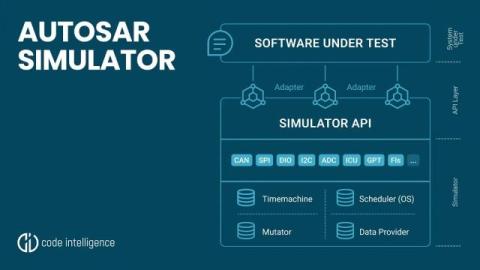
From simulation to success: the impact of fuzzing in software-in-the-loop testing

Software-in-the-loop (SiL) testing is a pivotal method in the software development lifecycle, especially for embedded systems and critical applications. By simulating real-world conditions and integrating software components within a controlled virtual environment, SiL allows for the early detection of bugs, ensuring higher code quality and reliability. Read on to learn how to introduce SiL testing in your project.

Why Is Manual Testing a Thing of the Past?

Before end-to-end (E2E) testing frameworks, the software development industry struggled with fragmented and inefficient testing methods. Testing was manual, labor-intensive, and prone to human error, which limited testing coverage and left many critical issues undetected until later stages of development. This manual approach relied heavily on developers and testers executing test cases by hand, leading to substantial inefficiencies and incomplete test coverage.

Testing Banking Website Security: What You Need to Know

With 86% of UK adults using a form of online or remote banking and high street banks closing in record numbers, banking websites have become an integral part of our daily lives. They have changed how we manage our money, allowing us to send and receive money from anywhere in the world, open or close accounts at the click of a button (or tap or a screen), and avoid queuing in physical banks. They have also transformed the UK's criminal landscape.

Black Box Security Testing - Process, Types and Techniques

With cybercrime costs projected to hit $10.5 trillion by 2025, securing digital assets is more critical than ever. Black box testing in security has become a key strategy for organizations to identify vulnerabilities in software and systems proactively. This blog delves into the essential role of black box security testing in mitigating risks along with its various types and techniques.

How AI adoption throughout the SDLC affects software testing

With AI finding adoption throughout all stages of the development process, the SDLC as we know it is becoming a thing of the past. Naturally, this has many implications for the field of software testing. This article will discuss how the SDLC has evolved over time, going into detail on the impact that AI adoption is having on both software development and software testing.

Security Testing in Software Development: Assessing Vulnerabilities and Weaknesses

The critical role of security testing within software development cannot be overstated. From protecting personal information to ensuring that critical infrastructure remains unbreachable, security testing serves as the sentry against a multitude of cyber threats.