Security | Threat Detection | Cyberattacks | DevSecOps | Compliance

A Weaponized npm Package '@core-pas/cyb-core' Proclaimed Pentesting Related

Two packages of well-known origin were found exfiltrating Windows SAM and SYSTEM files, apparently as part of internal security research rather than a targeted dependency confusion attack. On June 6th, 2022, the Mend research team used Supply Chain Defender to detect and flag two malicious packages from the same author that contained identical code. We alerted npm and the packages were removed within three hours of publication.

CVE-2022-25845 - Analyzing the Fastjson "Auto Type Bypass" RCE vulnerability

A few weeks ago, a new version for Fastjson was released (1.2.83) which contains a fix for a security vulnerability that allegedly allows an attacker to execute code on a remote machine. According to several publications, this vulnerability allows an attacker to bypass the “AutoTypeCheck” mechanism in Fastjson and achieve remote code execution. This Fastjson vulnerability only recently received a CVE identifier – CVE-2022-25845, and a high CVSS – 8.1.

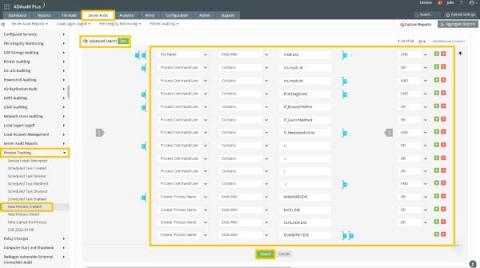
How ADAudit Plus helps you assess your exposure to Follina (CVE-2022-30190)

The recently discovered Windows zero-day vulnerability continues to make news as threat actors across the globe are relentless in their efforts to exploit it. The vulnerability, dubbed Follina, can be exploited when the Microsoft Support Diagnostic Tool (MSDT) is called by a Microsoft Office application using the URL protocol.

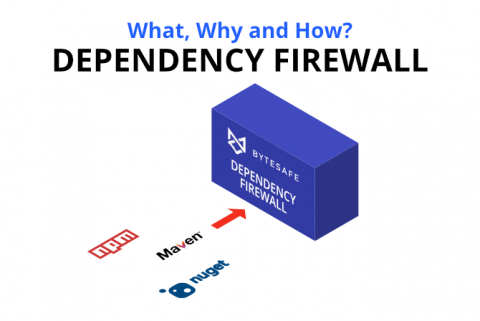
What is a Dependency Firewall? What, Why and How?

In recent years more open source vulnerabilities have been discovered than ever before. This is all part of the natural evolution; it’s what we expect to see as the amount of open source usage grows within organizations. But there’s something that we missed in this equation: while identifying vulnerabilities, organizations haven’t found a way to block unwanted dependencies, which made them vulnerable to attacks like never before.

Trustwave's Action Response: More MSDT Fallout with "Dogwalk"

A zero-day vulnerability has been re-disclosed that is very similar to the Follina zero-day announced last week and is actively being tracked by Trustwave SpiderLabs. The vulnerability was initially publicly disclosed back in 2020 but dismissed by Microsoft, which replied at the time: "We are also always seeking to improve these protections.

Denial of Service Vulnerability in Envoy Proxy - CVE-2022-29225

The JFrog Security Research team is constantly looking for new and previously unknown software vulnerabilities in popular open-source projects to help improve their security posture. As part of this effort, we recently discovered a denial of service (DoS) vulnerability in Envoy Proxy, a widely used open-source edge and service proxy server, designed for cloud-native applications and high traffic websites.

Preventing exploitation of the Follina vulnerability in MSDT

This article provides a synopsis of the Follina exploit and simple steps you can take to mitigate this severe remote code execution vulnerability within Microsoft Support Diagnostic Tool (MSDT). This vulnerability is triggered via common Windows applications such as Microsoft Word and is being actively exploited by known hacking groups.

The Confluence RCE vulnerability (CVE-2022-26134): Overview, detection, and remediation

On May 31, 2022, a critical vulnerability in Atlassian Confluence Server and Confluence Data Center was disclosed by Volexity. While conducting an incident response investigation involving internet-facing servers with the Confluence server installed, Volexity determined that the servers were compromised and attackers were launching successful remote code execution (RCE) exploits.

Three Lessons from the Confluence Server Vulnerability (CVE-2022-26134)

Recently, Atlassian issued a major security notice to all of its users about a critical vulnerability, identified as CVE-2022-26134, in its widely-used Confluence Server solution. The vulnerability would allow an unauthenticated malicious actor to execute arbitrary code on a Confluence Server or Data Center instance that could grant an attacker full command of the vulnerable server.

Atlassian Vulnerability CVE-2022-26134

Over the past weekend, on June 2, Atlassian published a security advisory regarding a zero-day vulnerability in all versions of the Confluence Server and Data Center that is already being exploited in the wild. The critical severity vulnerability has received the ID of CVE-2022-26134 and a threat actor can exploit this vulnerability in order to perform unauthenticated remote code execution (RCE).