Security | Threat Detection | Cyberattacks | DevSecOps | Compliance

Zenity 2025 Year in Review: Building AI Security for the Enterprise

For security teams, the adoption of agents showed up operationally before it showed up strategically - creating new expectations and requirements. Risk is no longer tied to prompts or the model alone. It shows up in what agents do once they are connected to critical systems - coming from permissions they inherit, tools they invoke, and data they move.

How CrowdStrike Trains GenAI Models at Scale Using Distributed Computing

Large language models (LLMs) have revolutionized artificial intelligence and are rapidly transforming the cybersecurity landscape. As these powerful models become commonly used among both attackers and defenders, developing specialized cybersecurity LLMs has become a strategic imperative. The CrowdStrike 2025 Global Threat Report highlights a concerning trend: Threat actors are increasingly enhancing social engineering and computer network operations campaigns with LLM capabilities.

From Code to Agents: Proactively Securing AI-Native Apps with Cursor and Snyk

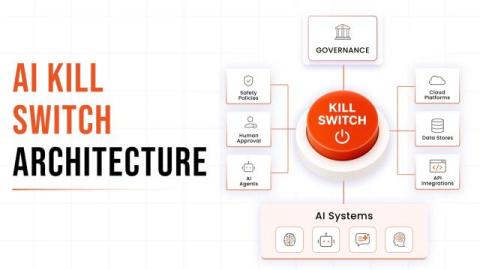
The rapid adoption of AI agents for development is creating a critical security gap. We are moving from predictable logic, deterministic code paths, and human-driven workflows to non-deterministic agents that reason, plan, and act autonomously using large language models across the broader software development lifecycle. As enterprises adopt these autonomous AI agents, the core challenge isn’t just the new risks and attack vectors; it’s a loss of runtime control.

The Hidden Costs of Building Your Own Data Masking tool

Building an in-house data masking tool often starts as a practical decision. The logic feels sound. Your team understands the data, knows the systems, and can tailor masking logic exactly to your needs. On the surface, it looks like a short engineering project that saves licensing costs and avoids external dependencies. What we’ve learned, after observing many organizations take this path, is that the hidden costs of building your own data masking solution rarely appear during the initial build.

Why Preserving Data Structure Matters in De-Identification APIs

When it comes to data masking or de-identification, one often-overlooked detail is the importance of preserving the original data structure. While it might seem harmless to normalize extra spaces or convert unique newline characters into a standard format, these subtle changes can actually have a significant impact on downstream processing. Let’s explore why this matters, with a couple of concrete examples.

The Best Use Cases for Photo-to-Video AI in Real Estate Marketing

The real estate business is pretty visual:images, videos and virtual tours are used to lure potential purchasers and tenants. With competition heating up and buyers expecting more dynamic and engaging content, real estate marketers are getting morecreative to keep ahead. Photo to Video AI is a revolutionary technology in this field, playing a key role in converting the stillimages of properties into video sequences. Using this technology, realestate agents can present homes more effectively, captivate audiences, and ultimately sell and rent faster.
Featured Post

Security Shifts in 2026: Risk Moves Beyond the CISO

In 2026, cybersecurity will shift from being seen as the security team's responsibility to being part of how the entire company operates. Every business function will share ownership of risk. Finance, engineering, product, and marketing will all have clear roles in protecting customer trust.