Security | Threat Detection | Cyberattacks | DevSecOps | Compliance

Unlocking AI's Potential: Network Trends and Challenges

Artificial intelligence is no longer just an overused buzzword; it’s a fundamental shift in how businesses operate. The Architects of AI were just named as Time’s person of the year for 2025. From generative AI creating code to machine learning algorithms optimizing supply chains, the demand for AI is reshaping the technology landscape. But here’s the thing: all that computational power is useless if your data can’t move fast enough.

When Agentic AI Becomes an Attack Surface: What the Ask Gordon Incident Reveals

Pillar Security’s recent analysis of Docker’s Agentic AI assistant, Ask Gordon, offers an early glimpse into the security challenges organizations will face as AI systems begin operating inside the development stack. Their researchers discovered that a single poisoned line of Docker Hub metadata caused the agent to run privileged tool calls and quietly exfiltrate internal data.

AI and Data Security: Why Your Data Security Model Is Hurting Innovation

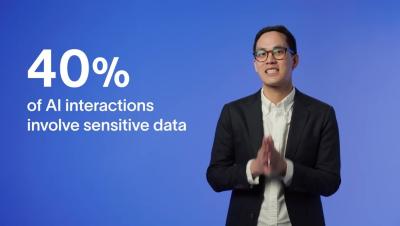
Why Your Data Security Model Is Outdated For over 20 years, we’ve focused on the Data Envelope—securing the perimeter, the cloud, and the network. But in a world of AI and rapid data sharing, protecting the envelope is not enough. In this video, James Rice (VP of Product Marketing at Protegrity) explains why traditional security has become the biggest bottleneck for modern innovation. Whether you are a security leader, a data architect, or a business innovator, understanding this paradigm shift is essential for the next decade of growth.

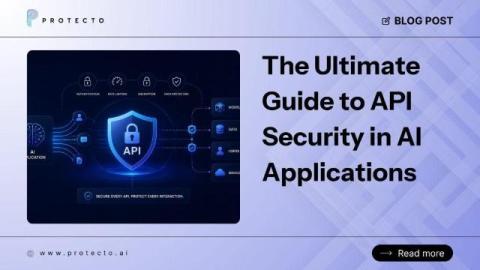
Protecting the Language of AI: Why API Security is No Longer Optional

Protecting the Language of AI: Why API Security is No Longer Optional As AI continues to reshape the digital landscape, APIs have become the "language" of innovation—but they've also become a massive target for attackers. In this clip from the A10 Networks webinar, "APIs are the Language of AI: Protecting Them is Critical," security experts Jamison Utter and Carlo Alpuerto discuss the complexities of modern API security.

The Hidden Costs of Building Your Own Data Masking tool

Building an in-house data masking tool often starts as a practical decision. The logic feels sound. Your team understands the data, knows the systems, and can tailor masking logic exactly to your needs. On the surface, it looks like a short engineering project that saves licensing costs and avoids external dependencies. What we’ve learned, after observing many organizations take this path, is that the hidden costs of building your own data masking solution rarely appear during the initial build.

Why Preserving Data Structure Matters in De-Identification APIs

When it comes to data masking or de-identification, one often-overlooked detail is the importance of preserving the original data structure. While it might seem harmless to normalize extra spaces or convert unique newline characters into a standard format, these subtle changes can actually have a significant impact on downstream processing. Let’s explore why this matters, with a couple of concrete examples.