Netskope + Dell: Remote learning & security
Remote Learning & Security with Dell and Netskope. Learn how Netskope and Dell enable collaboration while protecting students, faculty, and data


Google Cloud Platform (GCP) is a suite of cloud computing services for deploying, managing, and monitoring applications. A critical part of deploying reliable applications is securing your infrastructure. Google Cloud Audit Logs record the who, where, and when for activity within your environment, providing a breadcrumb trail that administrators can use to monitor access and detect potential threats across your resources (e.g., storage buckets, databases, service accounts, virtual machines).
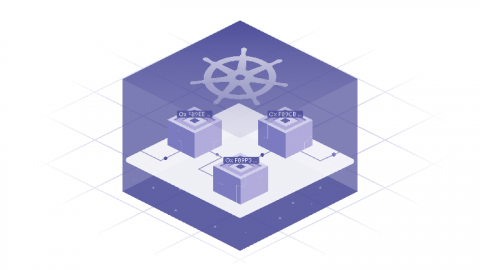
In under five years time, Kubernetes has become the default method for deploying and managing cloud applications, a remarkably fast adoption rate for any enterprise technology. Amongst other things, Kubernetes’s power lies in its ability to map compute resources to the needs of services in the current infrastructure paradigm. But how does this tool work when faced with the new infrastructure layer that is blockchain? Can the two technologies be used in conjunction?
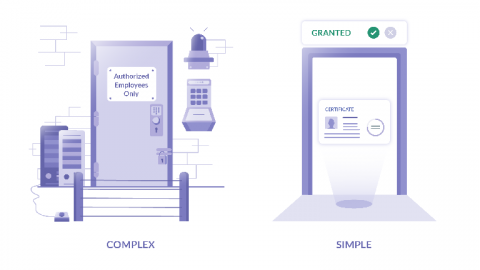
In this post, I want to share my observations of how SaaS companies approach the trade-off between having solid cloud infrastructure security and pissing off their own engineers by overdoing it. Security is annoying. Life could be much easier if security did not get in the way of getting things done.
In a world full of threats targeting data as well as stringent compliance mandates, it’s never been more important to create a strong unified cloud security strategy. But as cloud environments become more complex and diverse, it’s also never been more difficult. Even if you’re partnering with a notably secure provider, it’s still important to understand your security responsibility and to be proactive about protecting your data in the cloud.