Security | Threat Detection | Cyberattacks | DevSecOps | Compliance

What is FedRAMP? (And who needs to know)

For SaaS applications and cloud service providers (CSPs), maintaining compliance with FedRAMP requirements is critical to the bottom line. It means the difference between working with U.S. government agencies—or not. But as one might expect from a bureaucratic process, getting FedRAMP authorization is complicated and takes time. Before starting the FedRAMP approval process, teams and company leaders must understand the required steps, prepare thoroughly, and muster their patience.
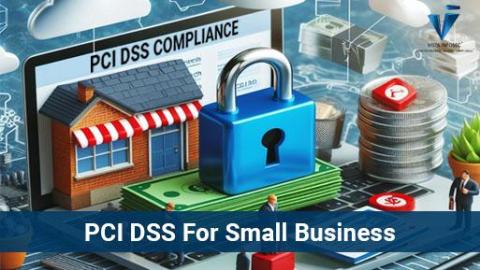

PCI DSS For Small Business

In an era where digital transactions reign supreme, ensuring the security of payment card data is paramount for businesses. This is where the Payment Card Industry Data Security Standard (PCI DSS) comes into play, serving as a crucial framework for safeguarding sensitive information and protecting both businesses and consumers from the ever-present threat of cybercrime. While it is generally associated with large businesses, it is equally important for smaller ones as well.

DORA Regulation: What Financial Institutions Need To Do

As a cybersecurity company, Obrela is vigilant in monitoring the evolving regulations and how these impact our clients, especially those in the financial sector. With the introduction of the Digital Operational Resilience Act (DORA), we see a transformative step forward in the European Union’s approach to financial cyber resilience. Here’s an overview of what DORA entails and what it means for financial entities.

Guide: What is FedRAMP Tailored and What is The Difference?

In the past, we’ve talked a lot about the various FedRAMP guidelines required to reach either a single Authority to Operate or a generalized Provisional Authority to Operate. One thing that can be said to be common to all of these is that, in general, you’re talking about FedRAMP Moderate Impact Levels when you discuss these kinds of standards and certification processes. This is because around 80% of cloud service providers and offerings are classified as Moderate impact.

The Need for Speed: "Material" Confusion under the SEC's Cyber Rules

This week, the SEC issued a statement addressing some of the rampant confusion and inconsistencies observed under the agency’s new cyber breach disclosure rule. The statement itself addresses a technical securities law requirement, that public companies should only use Item 1.05 of Form 8-K to disclose “material” cyber breach information (instead of making voluntary or immaterial disclosures).

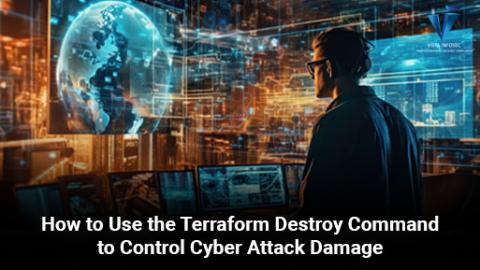
How to Use the Terraform Destroy Command to Control Cyber Attack Damage

In many cases, cutting something off is necessary to avoid bigger damage. This is the idea behind controlled infrastructure removal, the elimination of some parts of your cloud infrastructure to contain an attack or remove a potential attack surface. It is an important part of infrastructure-as-code (IaC) management and something organizations need to be familiar with as they secure their cloud environments and the apps they develop.
Featured Post

How to Choose the Right ASVS Level for Your Organization

The Application Security Verification Standard (ASVS) developed by the Open Web Application Security Project (OWASP) provides a robust framework for conducting penetration testing (pentesting) and security audits of web applications and infrastructure. In the evolving landscape of network security, with risks emerging in sophistication and frequency, maintaining a baseline level of compliant security procedures is highly recommended.

HITRUST: the Path to Cyber Resilience

Much has been made of cyber resilience in recent years. And with good reason: failing to bounce back quickly from a security event can have dramatic financial consequences. In early 2023, Royal Mail took several days to recover from a Lockbit cyberattack, losing upwards of £10 million in the process. However, for all the talk about resilience, the industry seems to be overlooking one of its fundamental tenets: risk management. It is, perhaps, understandable that we overlook risk management.

Announcing Vanta's industry-first partnership to automate HITRUST e1

Today we’re excited to announce that Vanta has partnered with HITRUST Services Corp., the leader in cybersecurity assurances, to be the first automated compliance solution for the HITRUST e1 Assessment and reseller of the HITRUST MyCSF platform. Vanta is the first pre-built solution that includes the controls, documents, and policies necessary to demonstrate your commitment to safeguarding data and protected health information (PHI) — all in a way that can be validated by HITRUST. ‍